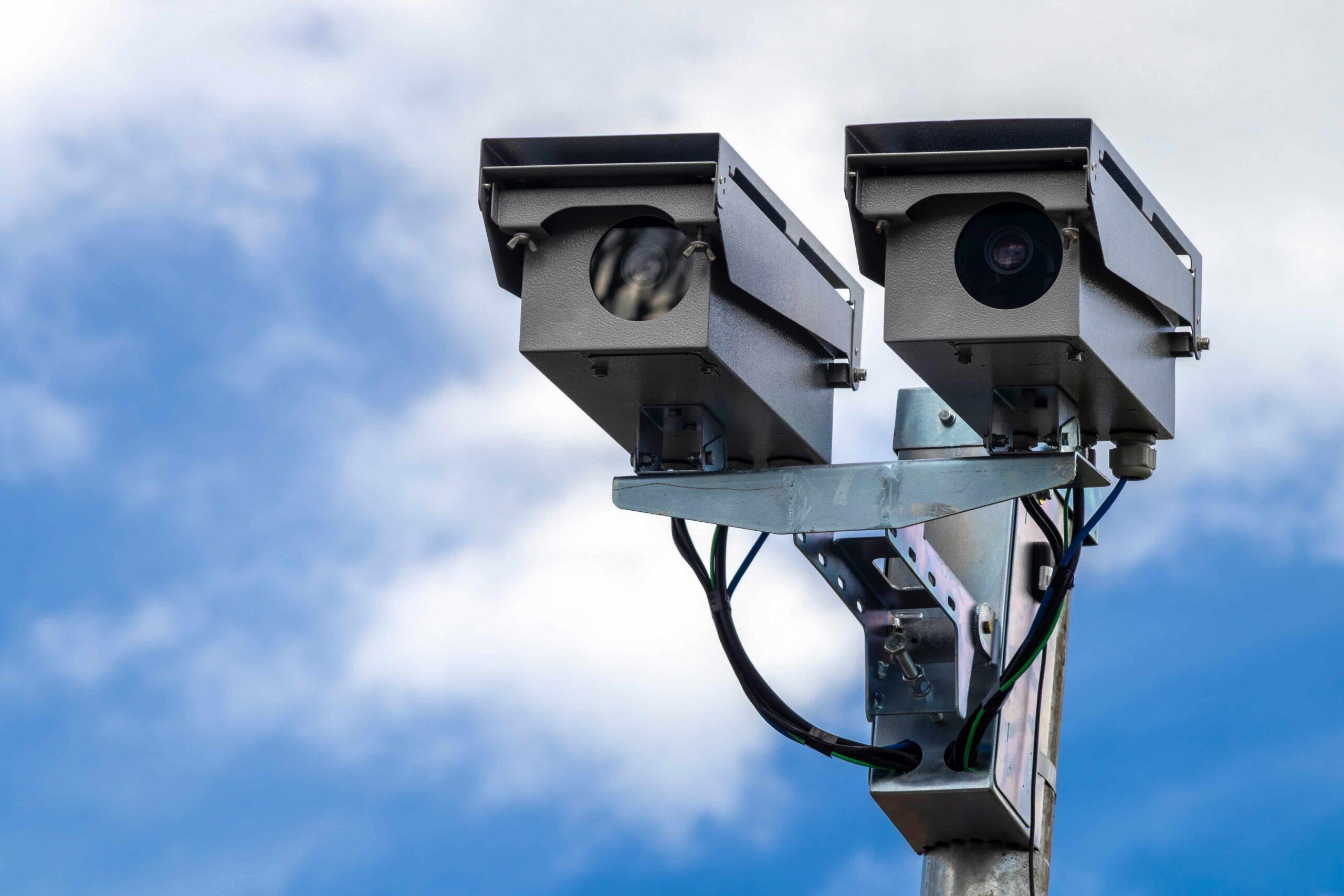
On October 1, 2025, five speed cameras made their debut at some of Minneapolis’s busiest intersections. As with any new safety measure, there was and is no shortage of questions, concerns, and assumptions.
Let’s take a closer look at how the program works, why it exists, and what it means for drivers and residents across the Twin Cities in the new year, 2026.
Injured? Get Nicolet.
Key takeaways:
- This pilot program is run by Minneapolis Public Works, not law enforcement
- Five cameras are currently active, with the potential for more sites in the future
- Cameras only capture rear license plates, not people or car interiors
- Data shows that speed cameras do save lives and keep roads safer in the short and long term.
- The City of Minneapolis reports that the rate of speeding has already dropped significantly, even before paid citations began.
How The Program Came to Be
The speed camera pilot program is part of Vision Zero, a traffic safety initiative Minneapolis launched in 2017. Vision Zero’s goal is to eliminate traffic deaths and severe injuries by 2027.
Between 2017 and 2021, about 150 people each year died or were seriously injured in Minneapolis traffic crashes. A mere 9% of Minneapolis streets accounted for a staggering 66% of those collisions.
The groundwork for the pilot program itself began back in 2019. In the interim, the city sought public feedback through surveys, comment periods, and community meetings, receiving more than 4,500 responses. A majority supported speed cameras, though many also raised valid concerns about fairness and privacy.
Those concerns shaped the current program, with more lessons to be learned as the pilot progresses. With Public Works at the helm, not law enforcement, the program focuses on making streets safer, not punishing drivers.
Mayor Jacob Frey emphasized that distinction when he signed a contract to begin work with NovoaGlobal, the national traffic enforcement provider overseeing the pilot.
“With these traffic safety cameras, we’re making clear that speeding and reckless driving won’t be tolerated—especially near our schools and areas with lots of foot traffic,” said Mayor Frey. “This pilot program is about saving lives, not writing tickets.”
How Big of a Problem is Speeding in Minneapolis?
Speeding is one of the primary causes of deadly crashes in Minneapolis and across the country. According to traffic safety data from the City of Minneapolis:
- In 2020, speeding contributed to 50% of fatal crashes in Minneapolis, far above the national average of 29%
- In 2021, that number rose to 65%
These statistics highlight that speeding hasn’t just maintained its grip on the streets of Minneapolis. It has actively gotten worse.
How Speeding Can Get Deadly Quickly
When thinking about speeding drivers, more overt offenders may come to mind: someone who gets pulled over for going 60 MPH in a 30 MPH zone. However, doubling the speed limit isn't required to cause serious damage.
Let’s say the speed limit is 20 MPH.
If a pedestrian gets hit by a car going the speed limit, there’s a 13% chance they will be seriously injured or killed.
If the driver surpasses the speed limit by 10 MPH, reaching 30 MPH, that chance more than doubles to 40%.
A driver reaching 40 MPH sees the chance jump to 73%.
Applying brief pressure on the gas pedal is a quick decision that can have long-lasting ramifications.
What About Traditional Enforcement?
While the Minneapolis Police Department (MPD) has seen growth this past year, it comes after years of decline. While in 2019, the MPD was 920 members strong, in recent years its ranks have counted just under 600.
A 2025 Axios analysis found that in 2024, Minneapolis police pulled over 82% fewer drivers for traffic violations than in 2018, when traffic violation tickets were at a recent peak.
These numbers only tell part of the story, but also highlight a need and opportunity for greater resources to enforce traffic violations.
How The Program Works
Five speed cameras were installed at high-risk intersections identified through crash data. Each camera site comes with signage to notify drivers of its presence.
For the first month, drivers flagged by the speed cameras received warnings. A tiered system is now in effect:
- First violation: Warning only
- Second violation: Option to take a free traffic safety class
- Decline the class: Fine based on speed
- 10–19 mph over: $40
- 20+ mph over: $80
That’s the extent of the penalty. If the car was stolen or someone else was driving, vehicle owners can submit a sworn statement to avoid liability. Here are the initial locations of the five cameras:
- 3rd Street North near 1st Avenue North in Downtown
- Fremont Avenue North near West Broadway Avenue in Near North
- 18th Avenue Northeast near Central Avenue Northeast in Northeast
- Chicago Avenue near Franklin Avenue East in Ventura Village
- Nicollet Avenue near 46th Street West in King Field/Tangletown
Later on in this blog, we’ll talk about what’s next for these speed cameras.
The Data Behind Speed Cameras
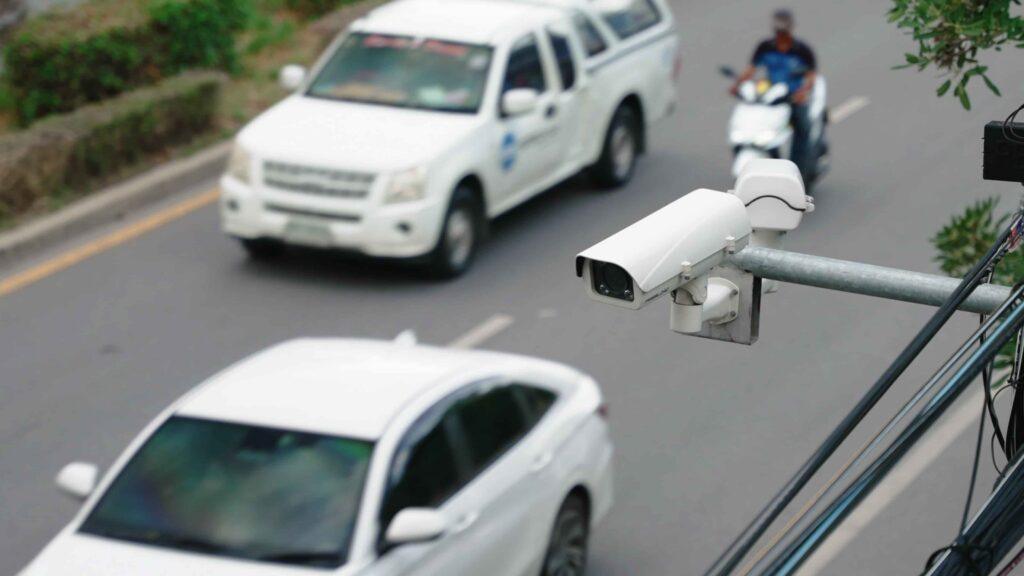
Minneapolis joins a long list of cities—both across the U.S. and around the world—where speed cameras have successfully reduced dangerous driving and fatal crashes. Studies show that the number of drivers exceeding the limit by 10+ mph can drop dramatically, and those reductions last for years.
The program also gives Public Works valuable data about where and when speeding occurs most frequently, allowing the city to make smarter infrastructure and safety investments.
And because the system doesn’t rely on police intervention, it allows law enforcement to focus their limited time and resources on higher-priority issues.
That being said, speed cameras are a way to combat speeding, not the end-all be-all solution. While speed cameras are certainly stirring up conversation, they play but a part in the effort to reduce speeding. Because the nature of this tool is that it offers 24/7 enforcement, it gives law enforcement the ability to focus on other matters.
The Progress So Far & What Lies Ahead
The City of Minneapolis released a report the day before paid citations officially went into effect, showing the results of the “warnings only” trial period:
- The rate of drivers going 10+MPH over the speed limit went down by nearly 30%
- The rate of drivers traveling 20+ MPH over the speed limit went down by 76%
Of all the drivers who pass through at least one of the intersections, a mere 2% fit into one (or both) of these categories.
While the program was started within the efforts of the ten-year Vision Zero plan, the pilot program will run through 2029, with annual reports to come.
Given the general public support and promising data, the City of Minneapolis anticipates that the program will continue beyond 2029.
According to the Minneapolis Traffic Safety Pilot Framework in 2024, the program will likely implement red light cameras this year, as well as adding new camera locations. State law dictates that the program cannot exceed 42 camera locations during the pilot period. Camera locations are subject to change.
From Nicolet Law

Christopher Welch is a personal injury attorney at Nicolet Law Accident & Injury Lawyers, where he has gained a reputation as The Midwest’s Cycling Lawyer. While a steadfast advocate for safety, he understands the mixed feelings that can come with a measure like this.
“I think post-2020, traffic in the Midwest has gotten much worse. People are driving dangerously and violating standards of safety. But the privacy concerns are legitimate.” Welch said.
Welch brought up promising data on speed cameras similar to that mentioned earlier in this blog, noting they could make a promising addition to city streets patrolled by a police force that is already stretched thin.
Welch sympathizes with worries about additional cameras in public spaces, among other concerns. “I worry about error rates in identification.” Welch carries a hopeful air about him, with the practical mindset evident in the discourse on these speed cameras: ‘I’ll believe it when I see it.’
While early data shows promise, there is plenty of time to go.
Frequently Asked Questions About the Minneapolis Speed Cameras
What if I’m not driving my car when the speeding violation happens?
Drivers can submit a sworn statement that they were not in control of the vehicle at the time of the incident.
Where are the cameras located?
As of this writing, there are five cameras:
- 3rd Street North near 1st Avenue North in Downtown
- Fremont Avenue North near West Broadway Avenue in Near North
- 18th Avenue Northeast near Central Avenue Northeast in Northeast
- Chicago Avenue near Franklin Avenue East in Ventura Village
- Nicollet Avenue near 46th Street West in King Field/Tangletown
There is significant potential to add more camera sites and red-light cameras.
Who is running this program?
Contrary to popular belief, law enforcement is not overseeing this program. Minneapolis Public Works is leading the charge instead.
How long will these cameras be in place for?
The pilot program is set to run until 2029, though pre-existing data and reports suggest that cameras will continue to exist in Minneapolis past that year. Camera locations may change, and more cameras may be added, but the program will likely adjust as time progresses.
Could the camera footage be accessed and used for an accident claim?
The City of Minneapolis makes a point on its website to specify the privacy rules it abides by, including: “The City’s camera vendor cannot share personal data, unless ordered by a court.”
Get In An Accident? Contact A Minneapolis Personal Injury Lawyer Today!
At Nicolet Law, we know that no one plans to get injured, and the demands of life don’t stop when an accident happens. After an injury, you should be focused on recovering and healing, not fighting an insurance company and building a case for yourself. At Nicolet Law, we offer free consultations, so you have the opportunity to talk to an experienced attorney about your case. We also work on a contingency basis, so you pay nothing upfront. We only get paid if we win your case.Set up a free case consultation with an experienced Minneapolis personal injury attorney by calling 1-855-NICOLET or by sending us a message through our contact form.