
A fun outing on a side-by-side sometimes turns tragic. If an accident caused your injury, consider filing a side-by-side accident lawsuit to cover your medical costs and other damages.
Seeking fair payment for your injuries and losses is possible after a side-by-side crash, and the process is easier than you think, with the help of an experienced Minnesota personal injury lawyer.
Key Takeaways:
- After a side-by-side accident, document everything, report the incident, and consult a personal injury attorney.
- Minnesota, Iowa, North Dakota, and Wisconsin have specific laws regarding off-highway vehicles and accident claims.
- You may recover compensation if another party’s negligence caused your injuries.
- Consult a qualified attorney to understand your rights and the best course of action.
5 Key Steps in Filing Your Side-by-Side Accident Claim
Taking legal action involves several important steps in preparing to file a personal injury lawsuit after a Utility Task Vehicle (UTV) crash. If you’ve already sought medical assistance after your side-by-side crash, then you’re on the right track.
Take these five steps next:
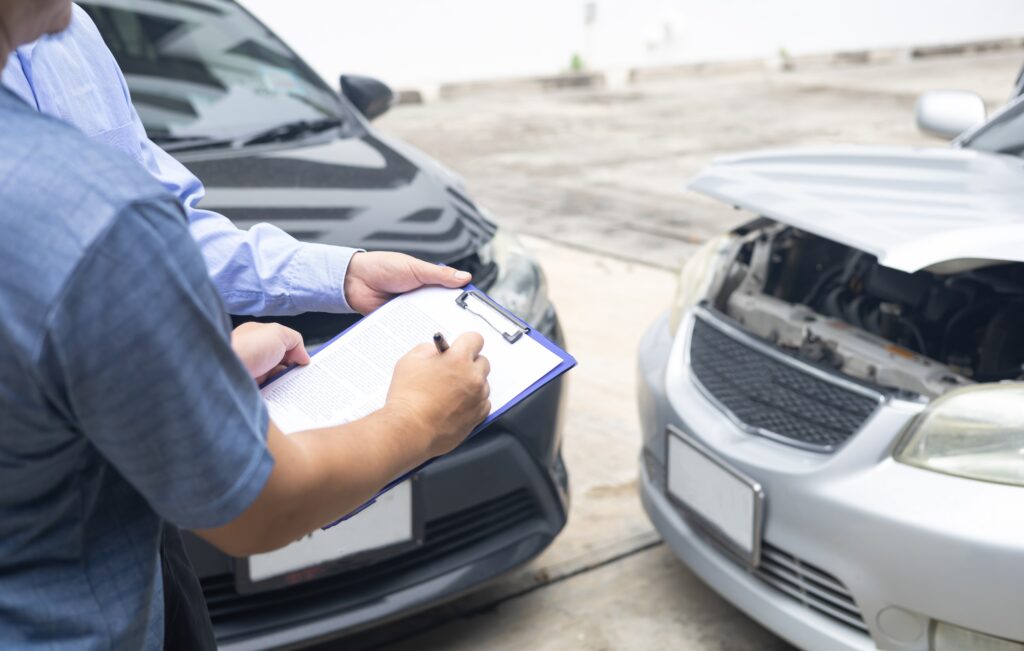
- Document Everything: Keep detailed records of the accident scene, including photos of the vehicles, the location, and any visible injuries. Get names and contact information for any witnesses, and keep all medical records, bills, and receipts related to your injuries and treatment. Also, track any lost wages or other financial impacts.
- Report the Accident: Depending on the location and severity, report it to local authorities, such as the police or park rangers. An official accident report provides valuable evidence. If the accident occurred on private property, report it to the property owner or manager.
- Understand Insurance Policies: Identify any relevant insurance policies, including the operator's policy, your own auto or homeowner's insurance (in some limited cases), or the property owner's liability insurance.
- Avoid Quick Settlements: Insurance adjusters might contact you soon after the accident and offer a quick settlement. It’s wise to avoid accepting any offer or signing any documents until you’ve talked with a lawyer.
- Consult with an Attorney: Discuss your case with a lawyer who handles personal injury claims, especially those involving UTV accidents. They help you understand your rights and the best way to proceed.
Side-by-Side Accident Statistics
Side-by-side vehicles have grown in popularity. Unfortunately, this rise also means more accidents and injuries. Data shows a concerning trend in off-highway vehicle incidents.
According to the Consumer Product Safety Commission (CPSC), emergency departments treated over 100,000 injuries involving Off-Highway Vehicles (OHVs) on average each year.
The CPSC also tracks fatalities, and on average, 800 people each year die from injuries related to OHV accidents. Many of these incidents involve factors like rollovers, collisions, or ejections. Young riders are particularly vulnerable.
Nationwide OHV incidents reflect local dangers. In 2024, Minnesota reported a record 32 OHV fatalities, highlighting a serious safety issue. Wisconsin also experienced multiple deaths among its 40 OHV incidents. Iowa saw a concerning rise in OHV-related deaths between 2023 and 2024, indicating a growing problem. Similarly, North Dakota reported 58 OHV crashes in 2023, each carrying the potential for severe injury or death.
Many side-by-side accidents tragically share common causes. Investigations often find that victims were not using essential safety equipment, such as helmets or seatbelts. Additionally, many involved in accidents lack formal ATV safety certification or training.
Perhaps the most widespread and avoidable cause is alcohol. Alcohol impairment severely slows reaction times, hinders decision-making, and significantly increases the chances of a serious or deadly UTV or ATV accident.
These factors together create a dangerous situation if strict safety measures are not adhered to.
Understanding the Basics of a Side-by-Side Accident Lawsuit
After a serious side-by-side wreck, you likely face unexpected challenges. A personal injury lawsuit is a legal case you may file to overcome these difficulties. The goal is to secure compensation to cover your costs, like medical bills and lost income.
In the context of a side-by-side incident, this means showing that another party was negligent and that their negligence caused your injuries.
Potential Negligent Parties in a UTV Wreck
Determining who is responsible is a key part of suing after a side-by-side injury. Several parties might be at fault.
Common examples include:
- The Operator: If the driver was speeding, driving recklessly, or under the influence of alcohol or drugs, they might be liable.
- Another Vehicle Operator: If your side-by-side collided with another vehicle, such as a car, truck, or other OHV, that operator might be at fault.
- The Owner: If the owner lent the side-by-side to an unfit driver or failed to maintain it properly, they might share responsibility.
- The Manufacturer: If a defect in the vehicle’s design or manufacturing contributed to the accident, the manufacturer could be liable.
- Property Owners: If unsafe trail conditions or unmarked hazards on private or public land led to the crash, the property owner or manager might bear some fault.
Identifying the at-fault parties is essential to building a side-by-side accident claim. Often, more than one party shares responsibility.
Navigating Legal Specifics
The laws governing personal injury claims differ from state to state, and understanding these differences is key. Minnesota, Iowa, North Dakota, and Wisconsin see their share of recreational vehicle incidents, including side-by-sides and other OHVs.
Many states only allow UTVs on public roadways for limited reasons, such as when a public roadway intersects an off-road trail. Wisconsin also permits road use of side-by-sides for agriculture.
Minnesota allows UTV roadway riding if the operator is licensed and follows local ordinances. Riders 12-15 years of age cannot ride on roadways but can make a direct crossing. They must have a safety certification and be accompanied by a licensed adult.
Other Minnesota rules include:
- Rider: The rider must wear a helmet and goggles
- UTV: The vehicle must have brakes, a headlight, and a taillight.
In Iowa, registered UTVs can operate on many unpaved county roads and some paved county and two-lane state highways for access.
Other Iowa UTV rules include:
- Headlights
- Tail lights
- Brake lights
- A horn
- Mirrors
- Brakes
- Proof of insurance
Helmets are required in OHV parks but not for adults on roads. Agricultural use has some exceptions.
In North Dakota, registered UTVs are allowed on paved roads with a posted limit of 55 MPH or less and on all gravel or dirt roads. Road-legal UTVs require specific safety features:
- Lights
- A Mirror
- Speedometers
- Odometers
- A Horn
- Brakes
A personal injury lawyer can help you keep track of all your state’s necessary safety requirements.
Who Is At-Fault?
Minnesota has a no-fault system for most auto accidents involving motor vehicles registered for road use. This means your own insurance typically pays for your initial medical expenses and lost wages, regardless of who caused the crash.
However, side-by-side vehicles are generally not considered motor vehicles under the no-fault law unless they meet specific criteria for street legality and operation. Therefore, many side-by-side accident claims proceed based on proving fault, similar to other personal injury cases.
Wisconsin is an at-fault state for all vehicle accidents, including those involving UTVs. This means the person who caused the accident is responsible for paying for the damages. You must prove the other party's negligence to recover compensation in your side-by-side injury claim.
Like Wisconsin, Iowa follows an at-fault system for UTV accidents, meaning the responsible party will be held liable. To operate a UTV on public roads in Iowa, individuals must be at least 18 years old and possess a valid driver's license.
North Dakota is an at-fault state for UTV accidents, requiring liability insurance and a driver's license for road use. Helmets are required for all under 18, and those aged 12-15 need a safety certificate.
How a Lawyer Helps With Filing a Personal Injury Lawsuit After a Side-by-Side Accident
Navigating the legal system alone after a side-by-side crash is difficult, but a personal injury lawyer provides valuable assistance while filing a lawsuit and seeking compensation. They protect your rights and work to get you fair compensation.
Investigating Your UTV Accident
Strong evidence is the backbone of any successful UTV accident lawsuit. The more evidence you have showing the other party's fault and the extent of your damages, the stronger your case for compensation becomes.
A lawyer begins by conducting a comprehensive investigation into your side-by-side accident by gathering all relevant evidence, such as accident reports, witness statements, photos, and videos.
This detailed investigation helps determine all potentially liable parties and the full extent of how the accident occurred.
Calculating Your Claim
Determining the true value of your UTV injury claim involves more than just adding up medical bills. A lawyer assesses all your damages, including:

- Medical Expenses: This covers your current and future costs for necessary medical treatment, including medications, physical therapy sessions, and any assistive devices you might require due to your injuries.
- Lost Wages: This covers the income you lost if your injuries prevented you from working, and it also includes compensation if your ability to earn money in the future is reduced.
- Pain and Suffering: This compensation is for the physical pain you've endured, the emotional distress caused by the accident and your injuries, and the overall loss of enjoyment in your daily life.
- Property Damage: This addresses the costs of repairing or replacing your damaged side-by-side vehicle or any other personal property harmed in the accident.
- Loss of Consortium: This type of compensation is for the negative impact your injuries have had on your relationship with your spouse, such as the loss of companionship, affection, or intimacy.
- Punitive Damages: These are rare additional damages that may be awarded in cases where the at-fault party's conduct was exceptionally reckless or malicious. They’re intended to punish the wrongdoer and discourage similar behavior by others.
Negotiating With Insurance Companies
Insurance adjusters are trained negotiators who pay out as little as possible, but a lawyer levels the playing field. They handle all communications and negotiations with the insurance companies.
They present your case effectively, counter lowball offers, and fight for a settlement that truly reflects your losses from the side-by-side accident.
Fighting in Court (if Necessary)
While many personal injury cases settle out of court, sometimes a trial is necessary to achieve a just outcome. If a fair settlement cannot be reached, your lawyer prepares and presents your case in court.
Guiding You Through the Complex Legal Process
The legal process for filing a personal injury lawsuit after a side-by-side accident has many rules, deadlines, and procedures. A lawyer guides you every step of the way. They explain your options, answer your questions, and manage all the paperwork, allowing you to focus on your recovery.
A statute of limitations is a law that sets a deadline for filing a lawsuit. If you miss this deadline, you usually lose your right to sue for your side-by-side injury. The time limit varies by state.
For example, in Iowa, you generally have two years for most personal injury claims, but specific circumstances alter this deadline.
Wisconsin also has distinct time limits for personal injury, typically three years, while North Dakota and Minnesota usually allow six years.
Since these deadlines have exceptions, it’s best to speak with an attorney as soon as possible in order to protect your claim.
FAQ for How To File a Personal Injury Lawsuit After a Side-by-Side Accident
What Types of Compensation Are Available in a UTV Accident Lawsuit?
In a UTV accident lawsuit, you might recover several types of compensation, including payment for medical bills, both past and future. You may also receive compensation for lost wages if the injury kept you from work, and for loss of future earning capacity if your injuries are long-term.
Additionally, you can seek compensation for pain and suffering, emotional distress, and loss of enjoyment of life.
How Long Does It Take To Resolve a Side-by-Side Accident Claim?
The time it takes to resolve a side-by-side accident claim varies greatly. Some claims settle in a few months, especially if liability is clear and injuries are not severe. However, complex cases involving serious injuries or disputed fault might take a year or more, particularly if they go to trial.
Factors like the insurance company's willingness to negotiate and court schedules also impact the timeline.
What if I Was a Passenger in a Side-by-Side Vehicle? Do I Still Have a Claim?
If you were a passenger injured in a side-by-side vehicle, you generally have the right to file a claim. Liability in a UTV accident lawsuit can fall on the UTV operator, another driver, or the manufacturer if negligence or a defect was a factor. A lawyer helps you determine who is liable for your accident.
What Evidence Is Most Helpful for My Personal Injury Lawsuit After a Side-by-Side Accident?
Several types of evidence are very helpful when you file a personal injury lawsuit after a side-by-side accident. Photographs and videos of the accident scene, the vehicles involved, and your injuries are valuable, and official accident reports from police or other authorities provide an objective account.
Witness testimonies from anyone who saw the accident also strengthen your cae. Your medical records detailing your injuries and treatment are fundamental, too.
Do I Have To Go to Court if I File a Side-by-Side Injury Lawsuit?
Many people who file a side-by-side injury lawsuit don’t end up going to court for a trial. A large majority of personal injury cases settle out of court through negotiations between your lawyer and the insurance company or defendants.
However, if a fair settlement cannot be reached, proceeding to trial becomes an option to pursue the compensation you deserve. Your attorney will advise you on the best course of action.
Secure Your Rights After a Side-by-Side Wreck

The moments after a side-by-side accident are chaotic and disorienting, but the actions you take can significantly affect your future.
You don't have to face the insurance companies and complex legal procedures alone. Getting knowledgeable guidance makes a difference in your ability to recover what you've lost.
If a side-by-side accident injured you, reach out to Nicolet Law Accident & Injury Lawyers. We can explain your options for filing a personal injury lawsuit and fight for the compensation you need.
Contact us for a free consultation at 1-855-NICOLET, or contact us online.