
Illinois does not require an actual dog bite for an injury claim.
Under the Illinois Animal Control Act, an owner can be liable when a dog attacks, attempts to attack, or otherwise injures someone.
A cyclist knocked down by a charging dog, a jogger forced into traffic by a lunging dog, or a pedestrian who falls while trying to avoid an attack may all have viable claims.
Many people never explore their legal options because they assume "dog bite laws" apply only when teeth break the skin. Illinois law is broader than that, and understanding the difference is often the first step in determining whether a claim exists.
The claim itself is usually paid by an insurance policy rather than by a neighbor. The insurer handling it is a business, and it will look closely at two things: whether the dog was provoked, and whether you were somewhere you had a right to be. For the full picture of Illinois dog bite law including the dangerous and vicious dog designation tables, see our Illinois dog bite lawyers page.
What follows covers what the statute actually says, the four things a claim has to establish, how provocation gets argued, and one Chicago rule that shortens the deadline dramatically.
Nicolet Law Accident & Injury Lawyers represents injured people across Wisconsin, Minnesota, North Dakota, Iowa, Indiana, and Illinois.
Hurt by a dog in Chicago? A free consultation sorts out whether you have a claim. Call 1-855-NICOLET. You do not pay attorney's fees unless we recover money for you.
Injured in Chicago? Get Nicolet.
Chicago, IL Dog Bite Statistics
Illinois does not publish a statewide bite count, and Chicago Animal Care and Control does not release bite data, so the reliable numbers come from federal and industry sources. They tell a consistent story about a city with a lot of dogs and a lot of people walking past them.
- Chicago ranked 5th among all U.S. cities for dog attacks on postal workers in 2025, with 43, per the U.S. Postal Service's 2026 dog attack national rankings. Only Los Angeles, Dallas, and Denver ranked higher.
- Illinois ranked 6th among states with 260 attacks, from the same Postal Service release. Those counts only cover mail carriers, who make up a small percentage of the people dogs injure.
- More than 5,200 USPS employees were attacked nationally in the same year, also from the USPS rankings.
- 28,450 homeowners liability claims for dog-related injuries were filed nationally in 2025, at an average cost of $65,450, per the Insurance Information Institute's dog-related claim data. Total payouts reached $1.86 billion, up more than 18% in a year.
- Nearly one dog bite in five requires medical attention, according to the CDC's guidance on dogs and human health..
Does Illinois Law Require an Actual Bite?
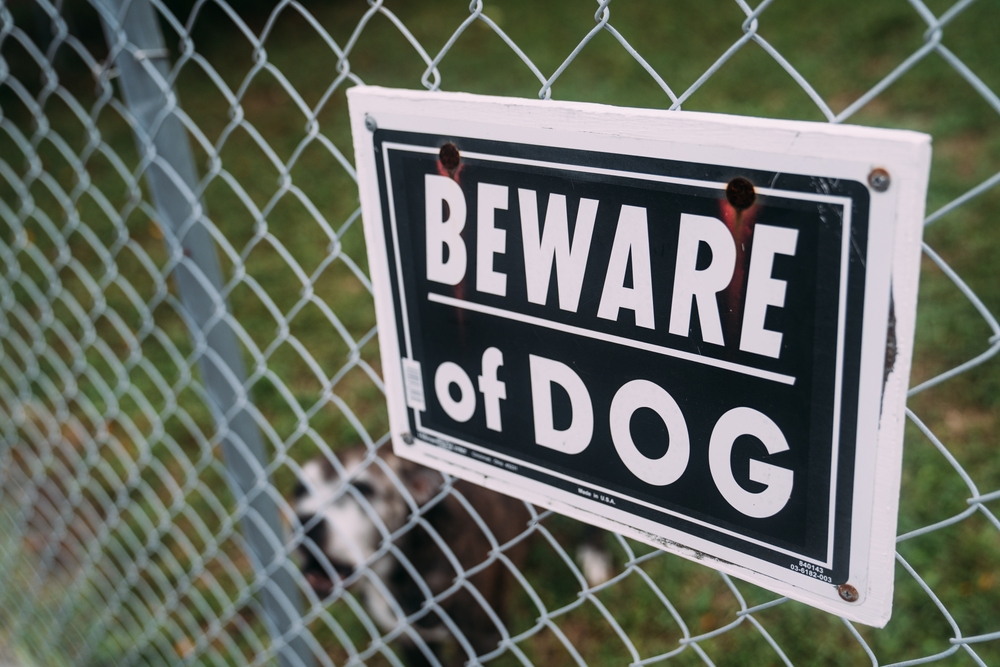
No. 510 ILCS 5/16 reads: if a dog or other animal, without provocation, attacks, attempts to attack, or injures any person who is peaceably conducting himself or herself in any place where he or she may lawfully be, the owner is liable in civil damages for the full amount of the injury proximately caused.
That reaches injuries with no contact at all. A dog that charges a cyclist who then goes down. A dog that lunges at a jogger who steps into traffic. A dog that knocks an older person off a porch step.
Illinois also removed the old requirement that an owner knew the animal was dangerous. There is no "one free bite" in this state. That rule still governs in Indiana, one border away, where most victims fall outside the strict liability statute entirely.
What Does a Chicago Dog Bite Claim Have to Establish?
There are four key things.
One: the defendant owned the animal. Illinois defines owner broadly enough to include someone who keeps or harbors an animal, not only the person on the registration. A roommate or a relative caring for the dog can fall under it.

Two: the animal was not provoked. This is the heart of most contested cases, and it gets its own section below.
Three: you were conducting yourself peaceably. Ordinary activities generally qualify: walking, running, delivering, knocking, standing still.
Four: you were lawfully present. A public sidewalk, a park, a shared hallway, a friend's yard by invitation, or anywhere your job requires you to be. Trespassing is where this element fails.
Those are elements of your claim rather than affirmative defenses, which is a technical distinction with a practical edge: they get litigated as part of proving the case rather than as something the owner has to establish separately.
Not sure where your case falls across these four elements? Call 1-855-NICOLET to learn more.
What Counts as Provoking a Dog in Illinois?
Illinois judges provocation from the dog's point of view, and it does not have to be intentional. Under the standard applied in Kirkham v. Will, provocation is any action or activity, whether intentional or unintentional, that would be reasonably expected to cause a normal dog in similar circumstances to react as this dog did.
The definition is broader than many people expect. Depending on the circumstances, even an accidental movement, a startled reaction, or a child stumbling into a dog can become part of a provocation argument.

But the standard has a limit that matters enormously to injured people. Where the dog's response was out of all proportion to whatever the person did, there may be no provocation found. Illinois courts have applied that limit to a toddler who fell against a sleeping dog and was severely bitten, and to a child whose scream was met with a full attack.
The question is not simply whether you did something that affected the dog. The question is whether a normal dog in similar circumstances would reasonably have reacted the same way.
Answering that takes evidence rather than argument: photographs of the scene and the injuries, witness accounts gathered while memories are fresh, the animal's history, and where it helps, medical opinion on how the wound pattern actually occurred.
Does Proof of the Dog Being Considered a 'Dangerous Dog' Beforehand Matter?
It helps, but you do not need this kind of evidence. Illinois keeps its administrative dog designations separate from civil liability. A dog can be declared dangerous under 510 ILCS 5/2.05a or vicious under 510 ILCS 5/15, each with its own procedure and consequences.
Neither is a prerequisite to your claim. Section 16 stands on its own.
Where such a finding exists, it is useful proof. Prior complaints about the dog, the dog's physical restraints (or lack thereof), warning signs, and neighbors' accounts do similar work.
One Chicago Deadline You Cannot Afford to Miss
If the animal encounter happened on public property or involved a public body, you may have one year rather than two.
The general deadline is two years under 735 ILCS 5/13-202. But a claim against the City of Chicago, the Park District, a school district, or Cook County must be commenced within one year under 745 ILCS 10/8-101.

That comes up more than you would expect: an off-leash dog in a city park, an incident at a public beach or a fieldhouse, a dog kept on public housing property. When a public body's conduct is part of the claim, the calendar changes.
For a child, 735 ILCS 5/13-211 generally allows the claim to be brought within two years of turning 18. Do not treat that as a reason to wait, because evidence does not wait around.
Deadlines have exceptions, and the safest way to protect your claim is to speak with a lawyer as soon as possible.
Injured in Chicago? Get Nicolet.
FAQs About Chicago Dog Bite Lawyers
Who pays, if not the owner personally?
Usually a homeowners or renters insurance policy, both of which typically include liability coverage that responds to animal injuries. In a city with as much rental housing as Chicago, renters policies do a lot of this work. Where a landlord knew a dangerous animal was on the property, a second policy may come into play. We read the policy language rather than accepting a summary.
The owner says I provoked the dog. What now?
In many cases, that becomes the central issue. Illinois courts evaluate provocation from the dog's perspective rather than the injured person's. The decisive question is usually proportionality: even where something you did was a stimulus, there is no provocation if the dog's reaction was out of all proportion to it. Witness statements and the physical evidence tend to answer that better than either side's account.
My child was hurt by a relative's dog. Do we have to sue our family?
Rarely does it come to that. Most dog injury claims are handled through an insurance policy rather than through direct payment by a family member. Many claims are resolved through insurance negotiations without a lawsuit ever being filed.
Does it matter whether the dog was leashed?
It can, in both directions. A leashed dog that still reached someone raises questions about control and the length of the lead. A dog that broke free raises questions about restraint and prior escapes. Neither fact decides a claim by itself, and neither is required by the statute.
How is this different from Indiana or Wisconsin?
Meaningfully. Illinois has one of the broadest animal liability statutes in the region, covering non-bite injuries and any lawfully present person. Indiana limits its strict liability statute to people performing a duty imposed by law, so most Indiana victims proceed on negligence instead. If you were hurt near a state line, the first thing to establish is where it happened.
Legal Resources About Illinois Dog Bite Claims
Have more questions about dog bite claims? Below are attorney-curated resources that cover more frequently asked questions and important topics about dog bite claims. The articles have a lot of general information, but are not a substitute for the personalized advice you can get from an attorney.
- Wisconsin Dog Bite Laws: A 2025 Guide to Injury Claims
- Dog Bite Laws in Wisconsin vs. Minnesota: Key Differences
- How Do I Prove Pain and Suffering After an Injury?
At Nicolet Law, consultations are free, and you do not pay attorney's fees unless we recover money for you. Reach a Chicago dog bite lawyer at 1-855-NICOLET or use our online contact form.