
When a Dog Bite Turns Your World Upside Down
Imagine walking through your Milwaukee neighborhood on a sunny afternoon when a dog lunges and bites you out of nowhere. In an instant, your day is shattered. You’re in pain, shocked, and wondering, “Why me?” Dog bites can be physically traumatic and emotionally devastating. You might be facing puncture wounds, scars, or even an infection – not to mention the fear and anxiety that can linger long after the attack. Nearly 1 in 5 people bitten by a dog require medical attention, highlighting how serious these incidents can be. It’s a scary, confusing experience, and you’re not alone in feeling overwhelmed.
If you or a loved one has suffered a dog bite in Wisconsin, we understand what you’re going through. As you cope with medical appointments and the emotional aftermath, you’re probably also asking questions: “Who will pay for my medical bills? Do I need to report the bite? Can I hold the dog’s owner responsible, even if it was the first time their dog bit someone?” This guide can answer those questions and more. We’ll walk you through Wisconsin’s dog bite laws, the steps to filing a personal injury claim, and what outcomes you can expect. By the end, you’ll know more about how Wisconsin’s legal framework protects dog bite victims – and how a skilled dog bite lawyer Wisconsin residents trust can help you get the justice and compensation you deserve.
At Nicolet Law Accident & Injury Lawyers, we provide honest guidance and unwavering support—not pressure. Our priority is to help you understand your rights and confidently make informed decisions. If you have questions, contact us for a free, no-obligation consultation. Call us today at 1-855-NICOLET.
Wisconsin Dog Bite Laws Explained in Plain English
Wisconsin is a “strict liability” state for dog bites. This means that under Wisconsin law (specifically Wis. Stat. § 174.02), a dog’s owner is automatically responsible for injuries their dog causes – regardless of whether the dog has ever bitten anyone. In other words, Wisconsin holds owners accountable from the first incident, unlike some states with a “one bite rule” (where an owner might get a free pass the first time). You do not have to prove the owner was negligent or that they knew the dog was dangerous. If the dog bit you and you were lawfully on the property or in a public place, the owner is liable for the full amount of your damages by default. In practice, this is what strict liability means – the law is firmly on the victim's side.
That said, there are a few critical caveats and practical points to understand about Wisconsin’s dog bite law:
- Double Damages for Repeat Bites: Wisconsin’s statute has a special punishment for owners who already knew their dog was dangerous. If a dog has bitten someone before without provocation and caused serious injury (like a bite that broke the skin and left a permanent scar), and the owner knew about it, the next time that dog bites someone, the owner can be required to pay double the damages. For example, if you incur $20,000 in medical bills, pain, and other losses, an owner on notice of a prior bite could owe you $40,000. This rule is essentially a penalty for negligence – it strongly encourages owners of aggressive dogs to take extra precautions.

- Comparative Fault (Provocation or Trespassing): Strict liability does not mean automatic payout in every scenario. Wisconsin law also follows comparative negligence rules (Wis. Stat. § 895.045), which means your compensation can be reduced if you were partly at fault for the incident. For instance, if evidence shows you provoked the dog – maybe you were teasing or harassing it – or you were unlawfully on the owner’s property, a court might decide you share some responsibility. In practice, this could reduce your monetary recovery by your percentage of fault. (Example: If you’re found 20% at fault, your damages award might be reduced by 20%.) Fortunately, as long as you were not more at fault than the owner, you can still recover damages in Wisconsin. A dog bite lawyer Wisconsin victims turn to for help can advise you on how provocation or other factors might affect your claim.
- Owner vs. Keeper Liability: The statute primarily says “the dog owner” is liable. But what if someone other than the legal owner controlled the dog when it bit you? In Wisconsin, liability can sometimes extend to a person “harboring or keeping” the dog (for example, a caretaker or landlord in limited situations). These scenarios can get legally complex. If a dog bit you while someone else (not the actual owner) was in charge of it – say a dog sitter or a friend taking the dog for a walk – you should discuss it with a knowledgeable attorney who can identify all the parties who might be liable. The good news is that Wisconsin courts have generally interpreted the law to protect victims, but sorting out the responsible parties may require legal experience.
- Criminal Penalties and Dangerous Dogs: Wisconsin’s dog bite statute isn’t just about civil liability (money damages); it also imposes penalties on owners. An owner can face fines from $50 up to $5,000+ if their dog injures someone, with higher penalties if they knew the dog had bitten before. In extreme cases, Wisconsin law even allows a court to order a dog to be humanely euthanized after multiple incidents (for example, if a dog has caused serious injury on two separate occasions off the owner’s property). These measures are in place to protect the public. As a victim, knowing that the legal system can step in to prevent a dangerous dog from causing further harm might be reassuring. However, your personal injury claim can focus on compensating you, not punishing the dog or owner (fines or animal control authorities handle that punishment aspect).
- Practical tips and common challenges: Pursuing a dog bite claim in Wisconsin can involve a few hurdles. One common challenge is identifying the dog and owner, especially if the bite happened in a public place or the dog ran off. Always try to get the owner’s name and contact information at the scene (and the dog’s license tag number, if possible). If you can’t, report the incident to local animal control or the police – they can help track down the owner. Another challenge might be if the owner is a friend, neighbor, or family member – many victims feel guilty about taking legal action in these situations. Remember, in most cases, you’re not going after their assets; you’re filing a claim against their homeowner’s or renter’s insurance policy, which is precisely why insurance exists. (Most homeowner’s insurance policies cover dog bite liability up to certain limits.) Don’t let personal relationships deter you from seeking the medical care and compensation you need. Medical bills can add up fast after a bite – you may need an ER visit, stitches, surgery, or rabies shots – and the financial fallout (plus lost wages if you miss work) can be significant. The law is there to help you recover these costs from the appropriate source.
Finally, it’s worth noting that dog bites don’t just cause physical injuries. They can also inflict lasting emotional trauma. Many victims (especially children) develop post-traumatic stress, a phobia of dogs, nightmares, or anxiety after an attack. Wisconsin law allows you to claim compensation for pain and suffering, which includes emotional distress. Part of being made whole is getting help for those psychological scars, too. A compassionate dog bite lawyer in Wisconsin can understand this and may help document your emotional injuries (for example, through therapy records or personal journals) to include in your claim.
Your Legal Options and Possible Resolutions After a Dog Bite
Suffering a dog bite in Wisconsin can leave you with many questions about what happens next. Legally, your goal is to obtain compensation for your injuries, but what does that process look like, and what options might arise along the way? This section will outline the potential resolutions of a dog bite injury claim and what each entails. Whether your case is in Milwaukee or anywhere else in Wisconsin, the general paths to resolution are similar:
- Insurance Settlement: This is the most common outcome. As noted, most dog bite claims in Wisconsin are paid by the dog owner’s homeowners' or renters insurance. Once you (or your attorney) present your demand to the insurer, negotiations may lead to a settlement agreement. If you reach a fair number that covers your medical bills, lost income, and pain and suffering, you’ll likely choose to settle. Settling means you agree to end the claim in exchange for a sum of money – it’s faster, less stressful, and less expensive than going to trial. A settlement can often be reached privately, without any public court record of the incident, which some people prefer. A skilled dog bite lawyer Wisconsin residents trust can negotiate hard to maximize this settlement, using evidence and legal leverage (like that strict liability statute) to push the insurer into a fair payout. Once settled, you’ll sign a release and typically receive payment within a few weeks.
- Lawsuit and Trial: If the insurance company denies the claim or offers a lowball amount that doesn’t come close to covering your losses, you have the right to file a personal injury lawsuit against the dog owner. This kicks off a more formal legal process. In Wisconsin, your case could be filed in the county where the bite happened (Milwaukee County if it happened in Milwaukee, for example) or where the defendant lives. After filing, both sides engage in discovery – exchanging evidence, taking depositions (sworn interviews), and possibly hiring expert witnesses (like a plastic surgeon to testify about scar treatment or an animal behaviorist regarding the dog’s aggression). The court may encourage mediation or settlement conferences to see if the case can be resolved without a trial. If not, the case can proceed to a jury trial where all the evidence is presented, and a jury (or judge in a bench trial) decides if the owner is liable and how much to award you. Most cases settle before reaching a verdict – but being prepared to go to trial can motivate the insurer to offer a higher settlement. If you go to trial and win, the jury might award you more (or less) than was provided in the settlement – it’s a risk/reward calculation to discuss with your attorney. The trial can also give a sense of vindication, with a public finding that the dog owner was at fault, but it can be lengthy and emotionally taxing. Fortunately, strict liability makes proving the case in court more straightforward (you don’t have to prove negligence, just that the bite happened and caused your injuries). Remember that trials can be appealed, which might delay the final resolution.
- Out-of-Court Agreements: Sometimes, a resolution outside the normal scope is reached. For example, an owner might agree to an installment plan to pay your damages if insurance is not available or doesn’t fully cover the claim. In rarer cases, if a victim is open to it, parties might also agree to some non-monetary terms – like the owner agreeing to additional dog training or securing the dog in a fenced area to prevent future incidents. However, these terms are usually secondary to the monetary compensation and often are handled by animal control mandates rather than the civil claim. As a victim, it’s generally in your interest to get fair financial compensation, which can cover your costs and losses.
- Workers’ Compensation (if applicable): One scenario is if you were bitten while on the job. For instance, many dog bite victims are postal workers, delivery drivers, utility workers, etc. If you worked when the bite occurred, you might have a workers’ comp claim through your employer and a civil claim against the dog owner. Workers’ comp in Wisconsin will pay for medical bills and a portion of lost wages regardless of fault, but it won’t cover pain and suffering. You can pursue both routes: accept workers’ comp benefits and seek additional damages from the dog’s owner. Be aware that workers’ comp may have a lien on the part of your recovery from the third party (dog owner) to reimburse what they paid, but an attorney can navigate this to ensure you still come out ahead. This is a bit of a niche situation, but it’s good to know you have multiple avenues if a dog bite happens at work.
In all these paths, the goal is a resolution that helps you move forward. Whether through settlement or verdict, a successful claim will provide financial relief and a sense of justice. It can cover your medical expenses, compensate you for the trauma you endured, and acknowledge the wrong that was done to you. No outcome can erase the bite or the scars, but it can prevent you from bearing the financial burden of someone else’s dog. By holding the owner accountable, you also reinforce the importance of responsible pet ownership, which helps make our communities (from Milwaukee to every corner of Wisconsin) safer for everyone.
The Wide-Ranging Impact of Dog Bite Injuries
A dog bite is not a minor incident – its effects can ripple through many aspects of your life. In Wisconsin, hundreds of people each year end up seeking medical care for dog attacks, and the aftermath can be costly and life-changing. Let’s break down the economic, physical, and emotional impact a dog bite can have on a victim:
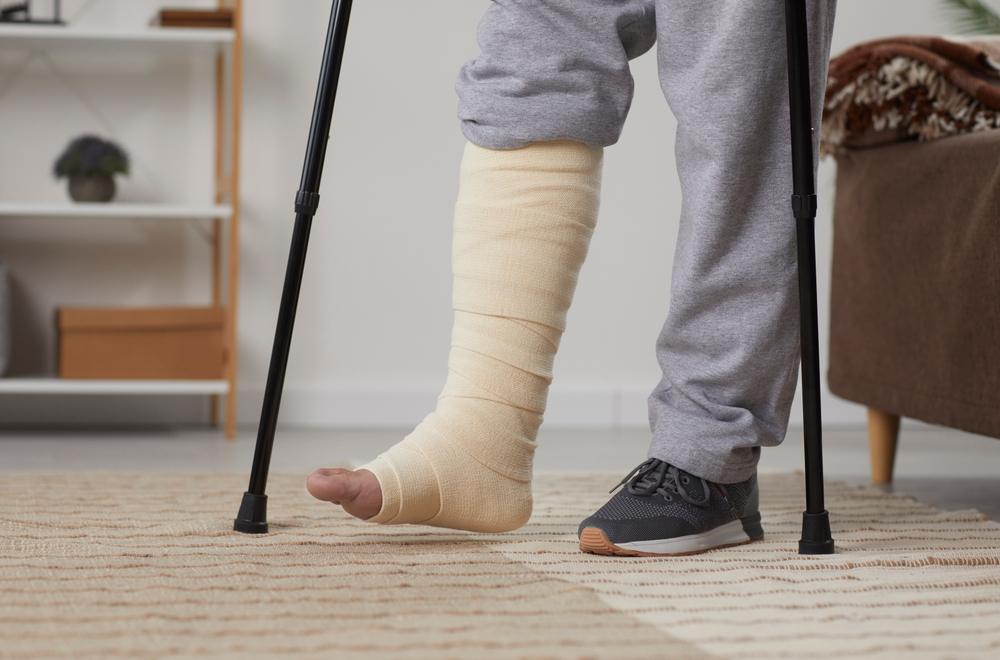
- Physical Injuries: Dog bite injuries range from puncture wounds and lacerations to torn muscles, broken bones (if you were knocked down), and severe scarring. Many bites – especially on the hands, arms, legs, or face – carry a high risk of infection. Victims might need stitches or even plastic surgery to repair damage. Some bites cause nerve damage, leading to long-term numbness or weakness in the affected area. Scars from a vicious bite, particularly on the face, can be permanent and may affect one’s self-esteem. In the worst cases, dog attacks can be fatal (though fortunately rare). Children and the elderly are especially vulnerable to severe outcomes. It’s not just the bite wounds themselves; you might also face complications like rabies shots if the dog’s vaccination status is unknown or surgical procedures if tendons or tissues were damaged. These medical needs mean you’ll interact with doctors, specialists, and possibly physical therapists and raise medical bill.
- Economic Costs: The financial toll of a dog bite can be substantial. There are direct medical expenses – ER visits, hospitalization, follow-up appointments, medications, physical therapy, psychological counseling, etc. Then there’s lost income if you have to miss work during recovery or because of follow-up appointments. If the injury causes any lasting disability, it could affect your future earning capacity. Consider also the “hidden” costs: needing help with childcare or housework while you recover, travel expenses to medical appointments, replacing clothing or property damaged in the incident, etc. These costs add up not just for individual families but across society. In 2024, insurance companies paid out about $1.57 billion for dog-related injury claims in the U.S. – a staggering figure that reflects how common and expensive dog bites have become. In Wisconsin, if you’re the victim, you shouldn’t bear these costs if someone else’s dog caused them. That’s why pursuing a claim is so important: to get your economic losses covered. From Milwaukee’s busy hospitals to small clinics up north, medical providers know dog bite injuries are serious and not free. Make sure any settlement or award accounts for all of your expenses, present and future.
- Emotional and Psychological Trauma: Beyond the physical wounds, a dog bite can leave deep emotional scars. It’s not uncommon for victims to experience post-traumatic stress disorder (PTSD) symptoms: flashbacks of the attack, nightmares, and an intense fear of dogs or even just going outside where dogs might be present. Anxiety and depression can also develop, especially if the injuries cause long-term pain or visible scars that change how you feel about your appearance. Children who are bitten might become fearful of animals or struggle with sleep and mood for months or years. Even adults often report that ever since the incident, they feel on edge around any barking dog, their heart races when they hear a dog’s collar jingle, etc. This psychological impact is very real. It can strain your relationships, make you avoid activities you used to enjoy (like jogging in the park or visiting friends who have dogs), and overall reduce your quality of life. Part of your recovery may involve therapy or counseling to process the trauma. Under Wisconsin law, the emotional distress and loss of enjoyment of life are compensable damages – meaning you can seek money for them as part of your claim. While money can’t magically cure mental trauma, it can enable you to get proper treatment and acknowledge your pain. Importantly, don’t downplay the emotional effects of a dog bite when discussing your case with a doctor or lawyer. What you’re feeling is valid, and it matters under the law.
- Impact on Family and Daily Life: A serious dog attack doesn’t just affect the person bitten – it can also impact their family members. If you’re a parent and you were injured, your kids might be upset or scared, and you might not be able to care for them in the short term. If a child was bitten, parents often suffer emotional turmoil (and potentially have claims of their own for the emotional distress of witnessing their child’s injury). You might have to cancel plans, avoid outings where dogs might be present (like skipping that family picnic at the lake), or even move homes if a neighbor’s dog made you feel unsafe in your yard. The ripple effects can be wide-ranging. In one Milwaukee case (just as an illustration), a man bitten by a loose dog while jogging along the riverwalk found that he could not bring himself to continue his daily runs – it was a major lifestyle change for him. Another family had to rearrange their living situation because their child developed a severe fear of any dog after being bitten at a playground. These stories underscore that dog bites can disrupt day-to-day life in unexpected ways. When pursuing a claim, it’s worth reflecting on how the incident has affected you and your loved ones – not just the hospital bills but missed experiences, altered routines, and peace of mind. Wisconsin’s broad definition of damages allows your dog bite lawyer to paint a full picture of your suffering to ensure you are fairly compensated for the true impact of the bite on your life.
Frequently Asked Questions
What should I do immediately after a dog bite in Wisconsin?
First, get to a safe place away from the dog to prevent further injury. Then, tend to your wounds – if bleeding is heavy, apply pressure with a clean cloth and seek emergency medical care. Even for minor bites, wash the area thoroughly with soap and water and see a doctor as soon as possible (infections from dog bites can be serious). It’s crucial to report the incident to local authorities (call the police or animal control). Reporting serves two purposes: you’ll help start the required 10-day quarantine process to check the dog for rabies (which is mandated by Wisconsin law) and create an official record of the attack. While at the scene (or have someone help you), try to get the dog owner’s contact information and the names of any witnesses. If you’re physically unable to do this because you’re injured, don’t worry – police or animal control officers will usually gather that info. Consider contacting a dog bite lawyer to understand your legal options once your immediate medical needs are addressed and the attack is reported. Acting quickly helps preserve evidence and ensures you comply with local reporting requirements (essential for public health and your potential claim).
How long must I file a dog bite injury claim in Wisconsin?
In Wisconsin, the general statute of limitations for personal injury cases (including dog bites) is three years from the date of the injury. You typically have up to three years to file a lawsuit against the dog’s owner (or other responsible parties) in court. If you miss this three-year window, you’ll likely lose your right to pursue compensation through the courts. It’s important to note a couple of nuances: If the victim is a minor (under 18), Wisconsin law may extend the deadline (often until the victim’s 20th birthday, as the clock might start at age 18). Also, if your injuries weren’t immediately discoverable (which is uncommon in dog bite cases – usually, you know you’re injured right away), there’s a “discovery rule” that could extend the time. But don’t rely on exceptions – assuming you have three years is safest. Keep in mind that if you’re negotiating with an insurance company, that does not pause the clock. People sometimes mistakenly think that because they’re in talks with an insurer, they don’t need to worry about the deadline – but if negotiations stall and the deadline passes, you’re out of luck. That’s another reason to involve an attorney early: a dog bite lawyer will keep track of the timing and can file a lawsuit to protect your claim before the statute of limitations expires. In summary, you have up to three years, but it’s wise to take action well before then – evidence can get harder to gather as time passes.
Is the dog owner always liable if their dog bites someone?
Mostly yes. Under Wisconsin’s strict liability dog bite statute, an owner is liable for all damages caused by their dog injuring someone, regardless of their prior behavior. This holds even if it was the dog’s first bite and the owner had no reason to suspect the dog might ever bite. In that sense, the owner is “always” liable for a bite that causes injury. However, “always” comes with some caveats. The law is subject to comparative negligence – if the victim truly provoked the dog or was trespassing, a court might assign some or all responsibility to the victim, which can reduce or eliminate the owner’s liability.
Additionally, if a police or law enforcement dog bites a crime suspect in the line of duty, Wisconsin law exempts the agency/owner from liability. But those situations aside, in a typical civilian context, yes, the dog’s owner (and sometimes the person controlling the dog at the time) is on the hook for a bite injury. It doesn’t matter if the owner was careful, had the dog on a leash, or “never thought Fluffy would hurt a fly.” Legally, once their dog causes harm, they are responsible. This differs from other states’ laws and is suitable for victims. Even if the owner isn’t criminally liable (in many cases, they won’t be charged with a crime unless extreme negligence is involved), they are civilly liable to compensate the injured person. So unless there’s an unusual circumstance like provocation, you can be confident that Wisconsin law backs you up in holding the owner accountable.
What if I was partially at fault for the dog bite (for example, I was petting the dog roughly or ignored a “Beware of Dog” sign)? Can I still recover the damages?
You can still recover, but your compensation might be reduced. Wisconsin follows a rule called modified comparative negligence. This means each party’s degree of fault is considered. If you are found to be 20% at fault for the incident (maybe you ignored a warning sign or accidentally stepped on the dog’s tail, triggering it to bite), then your damages would be reduced by that 20%. For instance, $10,000 of damages would be trimmed to $8,000 in that scenario. The critical part of Wisconsin’s rule is that you can still recover something if you are not more at fault than the defendant. If a court somehow decided you were 51% or more at fault, you’d be barred from recovery. But in dog bite cases, it’s relatively uncommon for a victim to bear the majority of blame (unless it was an obvious case of provocation or an unlawful act by the victim). Things like petting a dog or walking near a dog, even if a sign is posted, usually wouldn’t make you predominantly at fault. Warning signs (e.g., “Beware of Dog”) don’t give owners a free pass to avoid liability, especially if the dog is in a place where it can reach people (like a poorly fenced yard). They’re just one factor a court might consider. Provocation also has a specific meaning – accidentally provoking (like stumbling over a dog) isn’t the same as intentionally provoking (like poking the dog with a stick). So, even if you worry you might have done something to contribute, don’t assume you have no case. You should discuss it with an attorney. Often, what a victim perceives as “I shouldn’t have done that” doesn’t legally rise to the level of reducing compensation. If you did have a role, Wisconsin’s comparative negligence system would simply adjust the damages accordingly rather than block you from recovery. The bottom line is that you can likely still recover some damages, and a lawyer can help minimize any allegations of fault against you.
Will the dog owner’s insurance cover my injuries, or will I have to sue my friend or neighbor personally?
In the vast majority of cases, the dog owner’s insurance will cover the claim. Most homeowners' insurance (and many renters' insurance) policies in Wisconsin include liability coverage for dog bites. This means if their dog injures someone, the insurance company will have to step in to assess a potential payout. So, if you were bitten by a friend’s or neighbor’s dog, you usually seek compensation from an insurance policy, not directly from that person’s bank account. This is an important point – it often eases people’s minds, especially when the dog owner is someone they know. You’re not trying to bankrupt your neighbor; you’re just asking their insurer to do what it’s designed to: cover an accident. However, there are a few things to be aware of. First, you might not know immediately if they have insurance or the limits. That information can be obtained during the claims process or through a lawsuit. Second, as mentioned above, some insurance policies have breed exclusions or other caveats. Even if an insurance policy has promising coverage, that doesn’t mean the insurance company will be generous. They may make a lowball offer that won’t cover your recovery. If, by unlucky chance, the owner’s insurance doesn’t apply (or they have no insurance), then yes, you would be left pursuing the claim personally against the individual. In practical terms, if the person has assets or income, they’d be responsible for paying a judgment against them. If they don’t, it can be hard to collect, which is why insurance is so crucial. But again, those scenarios are not the norm. Another wrinkle: if the damages exceed the insurance policy limit (for instance, you have $150,000 in damages, but the homeowner’s policy maxes out at $100,000), the owner would be on the hook for the excess.
In many cases, we find ways to work within policy limits or identify additional coverage (like an umbrella policy). As a victim, you shouldn’t hesitate to claim because it’s against someone you know – they have insurance for precisely this reason, and you deserve to have your medical bills and losses paid. A dog bite attorney can handle the communications so it stays as professional and tension-free as possible. Often, the owner is relieved to let their insurer take over, too. So yes, expect insurance to cover it, and only in rare cases will it become a personal financial issue for the owner.
Work with a Wisconsin Dog Bite Lawyer

A dog bite can be a traumatic, life-altering event – but you don’t have to face the aftermath alone. Wisconsin’s dog bite laws are designed to protect you and ensure that the financial burden of your injuries falls on the responsible party (and their insurer), not on you. The key is to act promptly and knowledgeably. Seek medical care, follow through with reporting and quarantine procedures, and consider contacting a legal professional who can guide you through the following steps. An experienced dog bite attorney Wisconsin victims rely on can be your advocate, handling the legal complexities while you focus on healing. Remember, time matters: evidence can fade, and legal deadlines expire, so don’t delay exploring your options. By consulting a dog bite lawyer in Wisconsin, you’ll take an important step to safeguard your rights and pave the way toward physical, emotional, and financial recovery. Every case is unique, but the goal is the same – to help you rebuild your life after a dog bite injury. You deserve support and justice, and the law is on your side. Stay safe, be well, and know that help is available if you need it. At Nicolet Law Accident & Injury Lawyers, we provide honest guidance and unwavering support—not pressure. Our priority is to help you understand your rights and confidently make informed decisions. If you have questions, contact us for a free, no-obligation consultation. Call us today at 1-855-NICOLET.