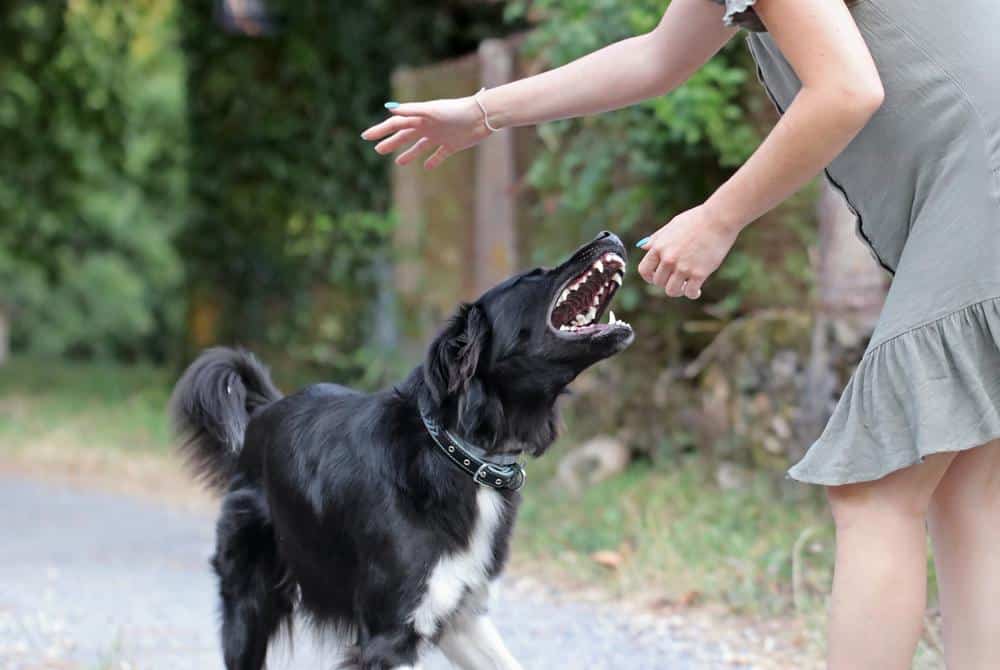
Imagine walking through your Milwaukee neighborhood or visiting a Madison park when a dog lunges and bites out of nowhere. In an instant, pain, fear, and confusion turn your life upside down. If this has happened to you or someone you love, you’re likely shaken and searching for answers. Who will pay for my medical bills? What are my rights? These questions are common, and it’s important to know that Wisconsin law protects dog bite victims. Dog attacks are not as rare as we’d hope – every year, about 4.5 million people in the U.S. suffer dog bites, and over 800,000 of them need medical attention. Milwaukee even ranked among the top cities for dog attacks on postal workers in recent years. This means many Wisconsin residents find themselves in situations just like yours. We understand how traumatic and overwhelming a dog attack can be, and we empathize with the physical pain and emotional turmoil you’re experiencing. The good news is that Wisconsin personal injury law has clear rules about when dog owners are liable for attack damages, which can help you start to make sense of this nightmare. Let’s explore those rules and what steps you can take to protect your rights and well-being.
At Nicolet Law Accident & Injury Lawyers, our Wisconsin dog bite lawyers provide honest guidance and unwavering support—not pressure. Our priority is to help you understand your rights and confidently make informed decisions. If you have questions, contact us for a free, no-obligation consultation. Call us today at 1-855-NICOLET.
Wisconsin’s Dog Bite Liability Law Explained
In Wisconsin, if a dog injures someone, the law is firmly on the victim's side. Wisconsin follows a strict liability rule for dog bites and other dog-related injuries. Under Wis. Stat. § 174.02, “the owner of a dog is liable for the full amount of damages caused by the dog injuring or causing injury to a person, domestic animal, or property.” In plain terms, this means a dog owner is responsible for the harm their dog causes – even if the dog never bit anyone before and even if the owner did nothing wrong. There is no “free bite” exemption in Wisconsin (unlike the old “one bite rule” in some states). As long as you were lawfully on the property or in a public place when the attack happened, you generally don’t need to prove the owner was negligent or knew the dog might be dangerous. The law recognizes that dogs can be unpredictable, and it squarely places financial responsibility on those who own or harbor them. Wisconsin law defines an “owner” to include anyone who “owns, harbors, or keeps a dog,” which can include someone temporarily caring for the dog. However, merely owning the property where the dog lives doesn’t make someone an owner under the statute.

Strict liability means you, as the injured person, can seek compensation for your damages without having to show the owner did anything wrong. That can include medical bills, lost wages, pain and suffering, and other losses resulting from the dog attack. There are a few narrow exceptions in Wisconsin’s statute. For example, if a police or military dog bites someone while performing official duties (such as apprehending a suspect), the dog’s handler or agency might not be liable. Additionally, the law is “subject to s. 895.045,” Wisconsin’s comparative negligence rule. This means if you provoked the dog or were partially at fault for the attack, your compensation could be reduced in proportion to your share of fault. (For instance, if you ignored a “Beware of Dog” sign and climbed a fence, a court might find you partially responsible.) However, as long as you were not more at fault than the dog’s owner, you can still recover damages – just reduced by your percentage of fault. In most routine situations (like a leashed or fenced dog that bites without provocation), comparative fault won’t be an issue, and the owner will be fully liable. It’s also worth noting that if someone was trespassing or committing a crime when bitten, that could limit their ability to recover under Wisconsin law, but every situation is unique.
Another important aspect of Wisconsin’s dog bite law is its “double damages” provision for particularly egregious cases. If a dog has bitten or injured someone before, and the owner knew about that prior incident, the owner may have to pay twice the amount of damages for a subsequent bite. In such cases, Wisconsin law treats the second incident seriously and punishes the owner with double liability for not preventing another attack. This can mean additional compensation for the owner’s failure to control a dog known to be dangerous around potential victims. It’s not quite the same as punitive damages, but it serves a similar purpose of penalizing repeat-offender owners. For instance, if a dog bit someone last year and left them scarred, and the same dog bites you now, you could potentially recover twice your actual damages from the owner. As trusted Milwaukee Dog Bite Attorneys, we find many people are unaware of this rule – it can provide relief to victims who later learn the dog had a history of aggression.
One misconception we often hear is the fear that pursuing a claim will automatically lead to the dog being euthanized. Wisconsin law does not mandate that a dog be put down for a first bite or even most second bites. Wis. Stat. § 174.02(3) specifies that a court may order a dog euthanized only if the dog has caused serious injury in two separate incidents and the owner was aware of the first incident. In other words, a dog generally gets at least a second chance unless it has repeatedly caused severe harm. So, reporting an attack and seeking compensation usually will not result in the dog’s death – a point that can ease victims’ minds, especially when the dog belongs to a friend or family member. Civil law focuses on compensating the victim, not punishing the dog. Local authorities might impose quarantine or special restrictions after a bite (like requiring the dog to be leashed and muzzled). Still, a single incident won’t typically doom the dog in Wisconsin.
Now that we’ve covered the basics of liability, you might wonder what steps you should take immediately after a dog attack to protect your health and legal rights. The moments and days following an attack are critical. Here are some key steps to keep in mind:
Types of Dog Bite Injuries and Their Impact
A dog attack can cause many injuries, from relatively minor to catastrophic. Understanding these injuries – physical, emotional, and financial – highlights why compensation is so significant for victims. Physically, dog bites often result in puncture wounds, lacerations, and torn flesh. These wounds can lead to infections (like cellulitis) if not promptly treated. Many victims require stitches or surgery (for example, to repair damaged muscles or tendons in the arms or face). Scarring is a common lasting effect, especially from facial bites – something we unfortunately see often with child victims. Scars can require plastic surgery and impact a person’s self-esteem long after healing the wound. In severe maulings, victims may suffer nerve damage, broken bones (if knocked down or if the dog’s jaws crush small bones in the hand), or even amputations of fingers. Some attacks are fatal, especially to young children. In fact, in one study, about 27% of dog bite fatality victims were children under 10 years old, showing how vulnerable kids are to severe attacks.
Beyond the visible wounds, there are emotional and psychological injuries. Being attacked by a dog – an animal many consider a pet or “man’s best friend” – can be deeply traumatic. Victims might develop a phobia of dogs, experience nightmares or flashbacks (symptoms of PTSD), or suffer anxiety and sleeplessness. Children might regress in behavior and be afraid to play outside or meet dogs again. Clients tell us that even hearing a dog bark after their attack triggers panic. Treating psychological injuries may require therapy or counseling, which is just as valid a part of your recovery as treating physical wounds. In Wisconsin, dog bite victims are entitled to claim these emotional damages as part of pain and suffering. For example, suppose a child in Madison is bitten on the face by a dog. In that case, the settlement might account not only for the ER visit and scar revision surgery but also for counseling sessions to help the child overcome the trauma of the event. Our trusted dog bite attorneys know how to document these less tangible effects – such as by obtaining statements from therapists or family members about how the attack changed the victim’s daily life.
Finally, consider the economic impact. Even a fairly “minor” bite can result in a trip to urgent care, a round of antibiotics, and a few follow-up doctor visits – easily totaling hundreds if not thousands of dollars. More severe injuries can lead to thousands of medical expenses (surgery, hospitalization, physical therapy, etc.). These costs can be devastating if you don’t have health insurance or high deductibles. Plus, victims often miss work during recovery. A delivery driver in Milwaukee who suffers a hand injury from a dog bite might be out of work for weeks, losing income. Some injuries cause permanent limitations that reduce a person’s earning capacity. The law ensures you can claim all of these financial losses, present and future. And remember the statistic: homeowners’ insurers nationwide paid out nearly $797 million in dog-related injury claims in one recent year, a sign of how significant these losses can be.
From our perspective, one of the biggest struggles clients face is recognizing the full scope of their damages. People often initially focus only on the immediate medical bills. We often have to remind clients to account for things like future scar treatment, the cost of therapy for lingering trauma, and even incidental expenses (like having to hire help for chores they can’t do while injured). By thoroughly evaluating all the impacts – physical scars, emotional scars, and financial strain – we build a case that truly addresses what the dog attack cost you. This comprehensive approach is key to a fair outcome rather than an inadequate quick fix.
When the Dog Owner Is a Friend or Family Member
Dog attacks often happen in familiar settings – a family gathering, a neighbor’s home, or a friend’s yard. It’s not uncommon for the dog that bit you to belong to someone you know and care about. This situation can be emotionally tricky. You might hesitate to take legal action or even file an insurance claim because you don’t want to ruin your relationship or cause financial harm to the person. We understand this hesitation completely. Many clients initially feel guilty about seeking compensation from a friend or relative’s insurance. However, putting your well-being first and understanding how the process works is essential.
Firstly, remember that by pursuing a claim, you are not personally attacking your friend/family member – you are seeking help from their insurance, which is a key reason that insurance exists. In Wisconsin, as in all states, homeowners insurance is there to cover accidents and injuries like dog bites. When you file a claim, the insurance company typically steps in to handle it, and the insurer would pay any settlement or judgment, not out of your friend’s pocket (unless they have an unusual policy or the damages exceed policy limits). In our experience, many people are relieved to discover this. For example, if your sister’s normally gentle dog bit you during a visit to Waukesha, your claim for medical bills and other damages would likely be paid by her homeowner's insurance. Your sister may see a rate increase in her premiums, but she won’t write you a personal check for those thousands of dollars. Approaching it this way often eases the personal tension – you can honestly tell them, “I just need to get my medical bills covered, and that’s why we have insurance.” Most reasonable dog owners understand this and want their injured friend or family member to have their bills paid.

Secondly, consider that if roles were reversed, wouldn’t you want to take care of them? We often remind hesitant clients: if your dog hurt someone you care about, you’d likely insist they get compensation for treatment. Using insurance for its intended purpose is not betrayal; it’s responsible. Additionally, involving trusted dog bite attorneys can remove some of the awkwardness this situation may introduce into your personal relationship. Once you hire a dog bite lawyer, communications typically go through the law firm and the insurance – you and your friend don’t have to negotiate directly. This helps keep your relationship separate from the claim process. We’ve helped clients navigate Thanksgiving dinners and neighborhood barbecues during an ongoing claim by ensuring that we handle all claim-related talk, not at the dinner table.
Now, there are scenarios where a friend or family’s dog causes injury, and they resist cooperating – perhaps out of fear their dog will get taken away or their insurance will go up. They might plead with you not to report it. This can put you in a tough spot. Based on years of experience, we advise you to respectfully but firmly prioritize your health and rights. Serious injuries can mean long-term consequences, and you shouldn’t forfeit the compensation you need because of personal pressure. Sometimes, having a dog bite attorney helps here, too – we become the “bad guy” who enforces things like making a report or notifying insurance so you don’t have to feel you’re betraying anyone. It’s also worth noting that failing to report an attack can have public safety implications; that dog could hurt someone else if not correctly managed after the first incident.
From what we’ve seen, in the end, most friendships and family relationships can weather the storm just fine, especially if everyone understands it’s just the insurance doing its job. In summary, don’t let personal connections stop you from getting the help you need. We handle these delicate situations tactfully and professionally, keeping your relationships intact as much as possible while fiercely advocating for your right to recover.
Facing Obstacles: Other Common Questions and Scenarios
Dog bite cases can bring up some engaging scenarios and “what-ifs.” For example, what if multiple dogs were involved in the attack? Wisconsin law could consider each dog’s owner jointly liable for your injuries in that case. We might pursue claims against all applicable owners (and insurers) to ensure you’re fully compensated. Or, what if the incident wasn’t a bite at all? Perhaps a large dog jumped on you and knocked you over, causing a broken bone. Wisconsin’s statute covers injuries caused by a dog, not just bites. So you would still have a strict liability claim for, say, a fracture from being knocked down or a bike crash because a dog ran into the road. In one case our firm handled, a driver swerved to avoid a dog loose on a Madison street and ended up injured in an accident – the dog’s owner was held liable for that, too. The principles remain the same: the dog's owner (or harborer) must make the victim whole.
Another scenario is when a dog attacks another pet, and you get hurt intervening. Suppose someone’s aggressive dog was attacking your dog, and you were bitten trying to separate them. You are still covered under the law as an injured person (and you could likely claim vet bills for your pet’s injuries as property damage since the statute also covers injury to domestic animals). We’ve seen clients put themselves in harm’s way to save their pets – which is a natural response – and Wisconsin law does allow recovery for those Good Samaritan instincts.
One more “twist” we occasionally handle: what if a dog bite happens while you’re working? For instance, mail carriers, delivery drivers, or home service technicians are frequently bitten on the job. Milwaukee’s postal workers, as mentioned, deal with many dog incidents each year. If you’re attacked in a work capacity, you may have a workers’ compensation claim and a liability claim against the dog’s owner. The two systems interact, and it can get complex – workers’ comp might cover some of your medical bills and lost wages regardless of fault, but you can still sue the dog owner for fuller damages like pain and suffering. Our trusted dog bite attorneys are well-versed in balancing these claims to maximize your recovery. We coordinate with any workers’ comp benefits and ensure the dog owner’s side still pays what’s fair. Don’t assume you’re limited to only workers’ comp if a dog injures you at work; you often have the right to a third-party claim, too.
Through all these varied scenarios, the core message remains: Wisconsin law is structured to help victims of dog attacks. The system isn’t perfect, and obstacles arise, but you can overcome them with knowledge and the proper support. We view each case as a story of someone who got hurt through no fault and needs a voice to stand up for them. Our clients have struggled with issues from A to Z – from apprehension about suing a friend to battling an insurer’s unfair denial to coping with life-changing injuries – and we’ve guided them through it. If you take nothing else from this article, know that you have rights after a dog attack, and you shouldn’t suffer in silence or pay out-of-pocket for an injury that Wisconsin law holds a dog owner responsible for.
Work with a Wisconsin Dog Bite Attorney
Is Wisconsin a “one-bite rule” state for dog bites?
No. Wisconsin does not follow the old “one free bite” rule. Instead, Wisconsin has a strict liability dog bite law. This means a dog’s owner is liable for your injuries, even if it’s the first time the dog ever bit or injured someone. You do not have to prove the owner knew the dog was dangerous or was negligent – only that the dog caused your injury and that you were legally allowed to be where you were (not trespassing, etc.). The strict liability rule makes it easier for victims to recover compared to one-bite states. However, if the dog had caused physical injury or property damage before and the owner knew, Wisconsin law goes further and makes the owner pay double damages for the second incident. This added penalty incentivizes owners to be extra cautious if their dog has a bite history.
What damages can I recover after a dog attack in Wisconsin?
You can recover all the damages from the dog attack. This includes medical expenses (hospital bills, doctor visits, medication, surgery, therapy, etc.), lost wages if you miss work, and even future medical costs or lost earning capacity if your injuries have long-term effects. You can also claim pain and suffering, which covers the physical pain and emotional trauma you endured. Scarring, disfigurement, and psychological impact (like anxiety or PTSD) are part of pain and suffering damages. There is no fixed cap on these damages in dog bite cases – it’s based on what is fair, given your experience.
Additionally, if the dog had a known previous bite and bit you, you may be entitled to twice your actual damages under the statute’s double-damages provision. In rare cases involving extremely reckless owners (owners who engage in outrageous or intentional conduct with their dogs), punitive damages could be pursued. Still, typically, the double damages serve that role in Wisconsin. Essentially, the goal is to make you “whole.” A Trusted Dog Bite Attorney can help calculate and document all your damages so you can pursue the full amount you deserve.
Who pays for my medical bills and losses – the dog owner or their insurance?
In most cases, the dog owner’s homeowners or renters insurance will pay. When you bring a claim, it’s usually handled by the insurance company, and they ultimately cut the check (up to the policy limits). For example, suppose you’re bitten by a dog in Milwaukee. In that case, the owner might have a homeowners policy with $300,000 liability coverage – that policy would cover your medical bills, lost income, etc., up to $300k. If your losses exceed the policy or the owner has no insurance, the owner is on the hook under Wisconsin law. In those situations, you could pursue their personal assets, though collecting can be challenging. Fortunately, most homeowners do have insurance. Also, sometimes other policies apply – like an umbrella liability policy or, if the bite happened at an apartment, maybe the landlord’s insurance (in limited cases). An experienced lawyer will identify all possible insurance sources. So, while legally, the dog owner is liable, their insurer typically pays, meaning you’re not bankrupting your neighbor or friend by filing a claim – you’re using the insurance they already paid for to cover accidents like this.
How long Do I Have To file a dog bite injury lawsuit in Wisconsin?
With few exceptions, you have three years from the date of the dog bite or attack to file a lawsuit in Wisconsin (Wisconsin’s standard statute of limitations for personal injury cases). You’ll likely lose your legal right to seek compensation if you miss this deadline.
If a minor was injured, different rules may apply. Typically, they will have 2 years from the date of their 18th birthday or three years from the date of the injury to file a claim, whichever is later.
While this might seem like plenty of time, acting much sooner is wise. Substantial evidence (like witness memories or surveillance footage of the attack) can be lost with time. Reporting the bite promptly and consulting a dog bite attorney early will help ensure your case is built correctly, well before any deadline.
Remember that filing an insurance claim or having settlement talks does not extend the three years. A trusted dog bite attorney will keep track of this and ensure your case is filed in time if it cannot be settled out of court.
Will the dog be removed or put down if I pursue a claim?
Not usually. Legally, a dog isn’t automatically removed or euthanized just because you filed a claim or lawsuit. Wisconsin law only allows a court to order a dog euthanized after two separate serious injury incidents where the owner was aware of the first one. In practice, for a first bite, the consequences for the dog may be quarantine (often a 10-day at-home quarantine to observe for rabies if vaccination status is unknown) and possibly being labeled as a “dangerous dog” by local authorities, which might require the owner to follow stricter rules (like muzzling the dog in public or getting special insurance). Your civil claim focuses on getting compensation, not punishing the dog. Many clients worry about this, especially if the dog belongs to a friend or family member. Rest assured, reporting the bite and seeking damages does not mean you’re sentencing the dog to death. Only in extreme cases (for example, a dog involved in multiple severe attacks) do authorities consider more serious measures. You can speak with your local animal control about their policies if you're concerned. But your priority should be your recovery – the legal system can address the dog’s future separately and typically with more leniency than people expect.
Work with a Dog Bite Lawyer in Wisconsin

Recovering from a dog attack is about more than healing wounds – it’s about reclaiming your sense of safety and getting the support you need to move on. Wisconsin’s personal injury laws, especially our dog bite statute, are there to protect you and hold dog owners accountable. If you or a loved one has suffered a dog bite in Milwaukee, Madison, or anywhere in Wisconsin, know that you do not have to go through this alone. Consider contacting a knowledgeable attorney who can explain your options and fight for your rights. This isn’t about being litigious or “going after” someone unfairly; it’s about ensuring your medical bills are paid, your lost wages recovered, and your pain and scars (physical and emotional) are acknowledged. Too often, dog bite victims initially shy away from legal help, only to realize later that the financial strain or emotional impact is more than they can bear alone. Don’t wait until it reaches that point. Consult with a legal professional early – most offer free consultations, so it costs nothing to learn where you stand. By taking action, you work toward your recovery and help reinforce responsible pet ownership in our Wisconsin communities. Healing and justice can go hand in hand. Stay safe, be well, and remember that help is available if you need it. At Nicolet Law Accident & Injury Lawyers, we provide honest guidance and unwavering support—not pressure. Our priority is helping you understand your rights and confidently make informed decisions. If you have questions, contact us for a free, no-obligation consultation. Call us today at 1-855-NICOLET.