
A car accident can leave you dealing with injuries, vehicle damage, and an insurance process that feels anything but fair. When someone else's negligence causes a crash, taking the right steps immediately can make all the difference in protecting your health and your ability to recover compensation.
If you or a loved one suffered injuries—or lost a family member—because of another driver's reckless or careless actions, knowing what to do after a car accident can help you take control of the situation. From the crash scene to dealing with insurance companies, each decision matters. A personal injury attorney can help you hold the responsible party accountable and pursue financial recovery for your medical bills, lost income, and other damages.
Injured? Get Nicolet.
Immediate Steps at the Accident Scene
The moments after a car accident can feel overwhelming, but taking the right actions can help protect your health, your legal rights, and your ability to recover compensation. Prioritizing safety, calling for emergency assistance, and preserving evidence are all critical steps.
Ensure Safety First
If the accident happened in a high-traffic area, moving to a safer location can help prevent further injuries. If your vehicle is drivable and it's safe to do so, pull over to the side of the road or a nearby parking lot. However, if you're seriously injured, stay put and wait for emergency responders to arrive.
Check for Injuries and Call 911
Take a moment to check yourself, passengers, and others involved in the accident for injuries. Even if no one appears seriously hurt, calling 911 ensures that paramedics and law enforcement arrive to assess the situation. Some injuries, like concussions or internal damage, may not show immediate symptoms. Getting medical attention right away can make a significant difference in recovery.
Turn On Hazard Lights and Set Up Warning Devices
Turning on your hazard lights alerts other drivers that an accident has occurred. If you have road flares, cones, or a reflective triangle, set them up to make the scene more visible, especially at night or in bad weather.
Do Not Leave the Scene
Leaving the scene of an accident, especially one involving injuries, can lead to legal consequences. Stay at the location until police arrive and give you permission to leave. Cooperate with officers, provide accurate information, and avoid speculating about what happened.
Exchanging Information
Accurate information helps with both insurance claims and potential legal action. Be sure to gather the necessary details while avoiding statements that could hurt your case.
What Information to Collect from Other Drivers
Exchange names, contact details, and insurance information with all involved drivers. Also, write down the make, model, and license plate numbers of the vehicles.
Documentation Needed for Insurance Claims
Ask for a copy of the police report or the report number. If the crash involved a commercial vehicle, note the company name. Insurance companies will use these details to assess fault and process claims.
Importance of Not Admitting Fault
Even a simple apology might be used against you. Stick to factual statements when speaking to the other driver, the police, and insurance adjusters. The full details of the accident may not be clear yet, and an admission of fault could hurt your ability to recover compensation.
Documenting the Accident
Thorough documentation of the accident scene can strengthen your case and help prove liability. The evidence gathered immediately after the crash provides crucial details that can protect your rights and maximize your compensation.
Taking Photos of Vehicles, Damage, and the Scene
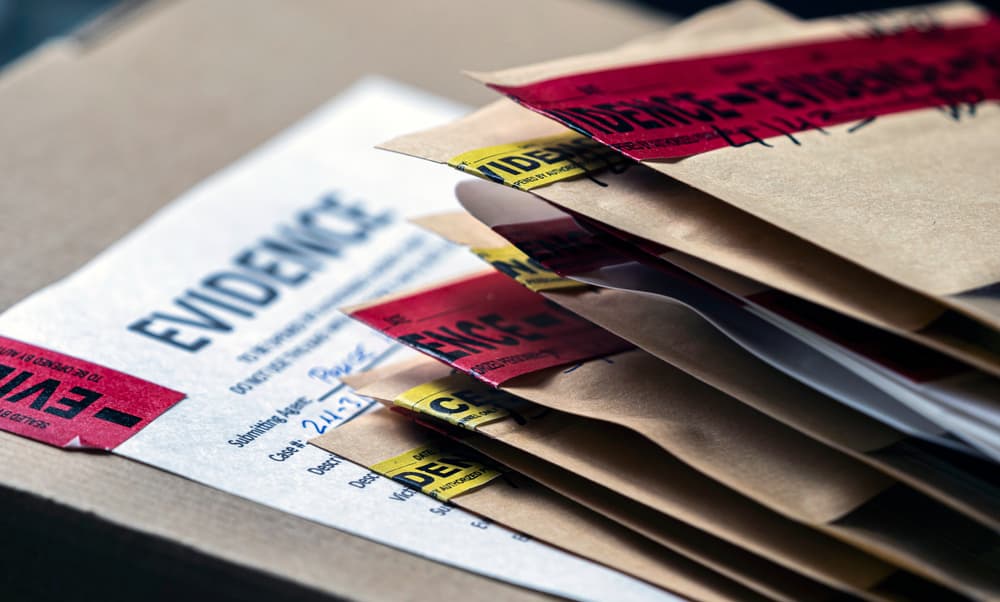
Use your phone to capture clear images of the accident scene from multiple angles. Focus on:
- The positions of all vehicles involved before they are moved
- Damage to your car and the other vehicles
- Skid marks, debris, and any visible road hazards
- Nearby traffic signals, stop signs, or any obstructions that may have contributed to the crash
If injuries are visible, photograph them as well. These images can serve as evidence of the severity of the impact.
Gathering Witness Information and Statements
Bystanders who saw the accident can provide valuable testimony about what happened. If there are witnesses, ask for their names and contact information. If they are willing, record a short statement from them while their memory is fresh. Their accounts may help clarify fault if the other driver disputes what happened.
Notes About Road Conditions, Weather, and Traffic Signals
Write down details that could have played a role in the crash, including:
- Weather conditions (rain, fog, snow, or clear skies)
- Road conditions (potholes, construction zones, or slick pavement)
- Traffic signals and signs (whether they were working properly)
- Any unusual circumstances, such as an obstructed view or a driver using a cellphone
These details may seem minor at the moment, but they can provide key insights when reconstructing the accident.
Proper documentation can prevent the insurance company from twisting the facts to reduce your payout. The more evidence you have, the harder it becomes for them to deny responsibility.
Seeking Medical Attention
Even if you feel okay, skipping medical care after an accident is risky. Injuries can take hours or even days to appear, and delaying treatment can make it harder to connect them to the crash.
Why You Should Get Checked Even If You Feel Fine
Adrenaline can mask pain, making injuries seem less serious than they are. A medical evaluation ensures that hidden injuries, such as internal bleeding or concussions, are diagnosed early.
Common Delayed-Onset Injuries
Whiplash, traumatic brain injuries, and soft tissue damage often take time to develop. Waiting too long to see a doctor can make it harder to prove the accident caused them.
Importance of Medical Records for Your Claim
Medical records serve as key evidence in personal injury claims. They show the extent of your injuries, the treatment required, and the impact on your daily life.
Reporting the Accident
Legal and insurance policies require reporting accidents within certain timeframes. Failing to do so can cause unnecessary complications.
Notifying Your Insurance Company
Report the accident to your insurer as soon as possible. Provide basic facts but avoid giving a recorded statement without first speaking to an attorney.
Filing a Police Report
In many states, accidents involving injuries, fatalities, or significant damage must be reported to the police. The report provides an official record of the crash, which can be useful when proving liability.
Deadlines for Reporting Accidents
Each state has different deadlines for reporting accidents to insurance companies and law enforcement. For example, Minnesota requires someone to report an accident, especially one with significant property damage and injuries, within 10 days of the crash.
Statutes of Limitations for Personal Injury Lawsuits
As with reporting requirements, each state imposes strict legal deadlines for how long you have to file a personal injury lawsuit in court.
- Minnesota allows you six years to file a personal injury lawsuit seeking damages.
- Wisconsin allows three years.
- Like Minnesota, you have six years from the date of the crash to file in North Dakota.
- In Iowa, you have only two years to file a claim.
Missing these deadlines can affect your ability to recover damages.
What To Do If You've Already Received Medical Treatment and Are At Home or In The Hospital Recovering
If you've already received medical treatment and are recovering at home or in the hospital, there are still important steps to take to protect your legal rights and ensure you receive fair compensation for your injuries.
Follow Your Doctor’s Treatment Plan
Adhering to your prescribed treatment plan is essential for both your recovery and your personal injury claim. Attend follow-up appointments, take prescribed medications, and complete any recommended physical therapy. Ignoring medical advice could give the insurance company a reason to downplay your injuries or argue that you're not as hurt as you claim.
Keep Track of Medical Expenses and Other Losses
Save all medical bills, receipts, and records related to your treatment. This includes hospital stays, medications, therapy, and any medical equipment you need. Additionally, document other losses, such as lost income if your injuries prevent you from working.
Document Your Recovery
Keep a journal detailing your pain levels, mobility issues, emotional struggles, and how your injuries impact your daily life. This documentation can help demonstrate the ongoing effects of the accident when negotiating with insurance companies or presenting your case in court.
Avoid Discussing Your Case on Social Media
Insurance companies often monitor social media for any posts that could undermine a claim. Avoid discussing the accident, your injuries, or your recovery process online. Even an innocent photo or comment could be used to suggest that your injuries aren’t as serious as you claim.
Consult a Car Accident Attorney
If you haven’t already, now is the time to seek legal guidance. An attorney can review your case, calculate the full extent of your damages, and handle all communications with the insurance company. This ensures that you don’t accept a low settlement that fails to cover your long-term needs.
Recovering from a car accident takes time, but taking these steps can help protect your financial future while you focus on healing.
Hiring a Personal Injury Lawyer
Insurance companies prioritize their bottom line over fair payouts. A car accident attorney ensures that your rights remain protected throughout the claims process.
When to Seek Legal Representation
Hiring an attorney as soon as possible can prevent insurance companies from pressuring you into accepting a low settlement. Early legal guidance also helps preserve evidence.
Benefits of Having an Attorney Handle Your Case
A lawyer can handle negotiations, gather evidence, and fight for full compensation. This allows you to focus on your recovery instead of battling insurance adjusters.
What to Bring to Your Initial Consultation
Bring medical records, police reports, accident photos, and any correspondence with insurance companies. These documents help the attorney assess your case.
Dealing with Insurance Companies
Insurance adjusters may seem helpful, but their goal is to pay as little as possible. Knowing how to handle interactions with them can prevent costly mistakes.
Understanding Insurance Adjuster Tactics
Adjusters may downplay injuries, argue about fault, or ask for unnecessary medical records to delay or reduce payouts.
Tips for Communicating with Insurance Companies
Stick to the facts and avoid discussing injuries in detail. If asked for a recorded statement, politely decline until speaking with an attorney.
Common Pitfalls to Avoid
Accepting a quick settlement may leave you without enough money for future medical bills. Signing anything without legal advice can limit your right to seek further compensation.
Documenting Your Recovery
Keeping thorough records of your injuries and treatment helps establish the full impact of the accident.
Keeping Track of Medical Treatments and Expenses
Save all medical bills, prescription receipts, and therapy records. These documents demonstrate the financial losses caused by the accident.
Recording How Injuries Affect Daily Life
Write down how pain, mobility issues, or emotional distress impact your ability to work and engage in normal activities.
Maintaining a Pain Journal
Regularly note your pain levels, symptoms, and progress. A detailed journal can strengthen your case by showing the long-term effects of the accident.
Car Accident Statistics
Car crashes remain a significant safety concern across the country, including the upper Midwest. According to the latest crash data from the U.S. Department of Transportation’s Fatality Analysis Reporting System:
- More than 42,000 people died in motor vehicle crashes in a recent year.
- On average, nearly 13 deaths per 100,000 people occur in traffic accidents.
- Minnesota reported 703 fatal vehicle crashes during this time, or nearly 8 deaths per 100,000 population.
- Wisconsin reported 596 traffic fatalities, corresponding to just over 10 deaths per 100,000 population.
- Iowa reported 336 deaths, or 10.6 per 100,000 population.
- North Dakota reported 98 deaths, or 12.6 per 100,000 population.
The numbers illustrate the dangers drivers and their passengers face on our nation’s roads. These statistics also emphasize the importance of having a car accident attorney represent you in a personal injury claim.
Contact a Car Accident Attorney Near You Now

Nicolet Law Accidents & Injury Lawyers helps crash victims pursue the financial recovery they need after suffering injuries due to another driver's negligence. The legal process doesn’t have to feel overwhelming when you have a dedicated team handling every step of your case.
Insurance companies often try to settle claims for far less than victims deserve. With Nicolet Law Accidents & Injury Lawyers on your side, you don’t have to accept a lowball offer. Their attorneys know how to build strong cases, negotiate aggressively, and take legal action when necessary to hold the at-fault party accountable.
Don't wait to get legal help. Contact Nicolet Law Accidents & Injury Lawyers today for a free consultation. Let them fight for the compensation you deserve while you focus on healing.