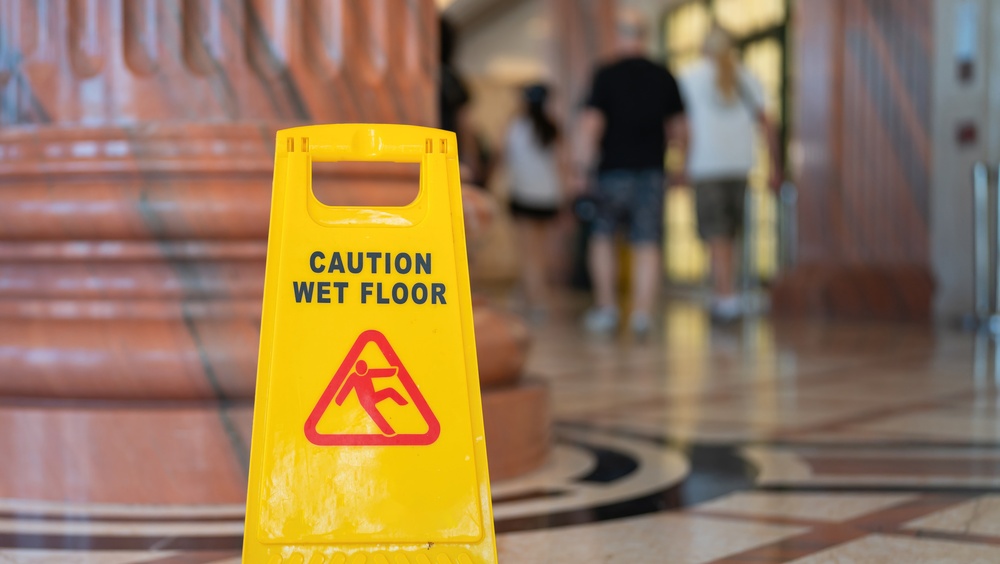
Property owners in Minnesota have a legal duty to keep their premises in a reasonably safe condition for visitors. When they don't, and someone is injured, that failure can support a premises liability claim. How broad that duty is, and how far it extends, depends on who the injured person was and what the property owner knew or should have known.
In Hutchinson and throughout McLeod County, this comes up in predictable ways: icy parking lots in January, wet floors in commercial spaces, broken steps on rental properties, and unlit walkways at events. These are not freak incidents. They're the result of conditions that should have been addressed and fixed.
Nicolet Law represents premises liability clients across Wisconsin, Minnesota, North Dakota, and Iowa. If you were injured on someone else's property in the Hutchinson area, call 1-855-NICOLET for a free evaluation of your situation. You pay no attorney's fees unless we recover money for you.
Injured in Hutchinson? Get Nicolet.
Hutchinson Premises Liability Statistics
Fall injuries are the backbone of most premises liability claims, and the numbers show how serious they get. According to the National Safety Council (NSC) and NSC Injury Facts, falls in non-work settings account for a significant share of the nation's injury burden each year.
- 48,308 people in the United States died from fall-related accidents in 2024, according to NSC tabulations of National Center for Health Statistics data.
- Fall-related injuries sent over 8 million people to emergency rooms in 2023, according to the National Safety Council.
- More than 1 million emergency department visits annually are attributed specifically to slip-and-fall injuries, according to the NSC.
Behind each of these numbers is an incident that happened somewhere: a business, an apartment complex, a private home, a public park. If an injury like this happened to you in Hutchinson, a premises liability attorney can review what the property owner knew, what they were required to do, and what went wrong.
What Property Owners Are Required to Do
Minnesota premises liability law establishes different levels of duty depending on why someone was on the property. A customer in a business, called an invitee, is owed the highest duty: the property owner must both inspect for hazards and fix them. A social guest, called a licensee, is owed a duty to warn of known hazards. A trespasser is owed very little, unless that trespasser is a child.
For businesses, retail spaces, restaurants, and commercial properties in Hutchinson, the invitee standard applies to anyone who enters as a member of the public. That includes parking lots, entrances, restrooms, and any area a customer might reasonably access. In Minnesota winters, that duty extends to managing ice and snow on walkways and entry areas within a reasonable time after weather events.
When a property owner fails to meet that standard and someone is injured as a result, the legal basis for a claim exists. Proving it requires showing what the condition was, how long it had been there, whether the owner knew or should have known about it, and what the owner did or failed to do.
How These Claims Get Disputed
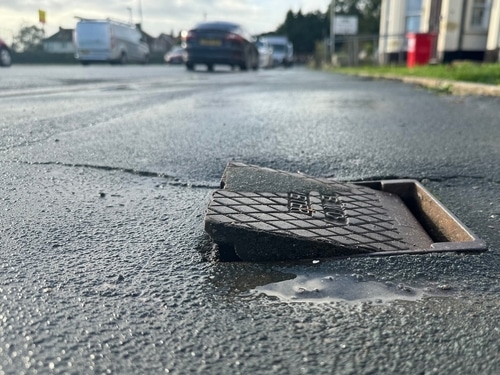
The most common response from a property owner or their insurer after a premises injury is a version of the same argument: the hazard was "open and obvious," meaning the injured person should have seen and avoided it. Under Minnesota law, the open and obvious doctrine can reduce or eliminate a property owner's liability in some cases. But it's not automatic, and it's often raised too broadly by insurers to minimize valid claims.
Minnesota's comparative fault rule (Minn. Stat. § 604.01) applies here the same way it does in other injury cases. If the injured person is found partly responsible, recovery is reduced by that percentage. Reaching 51% eliminates recovery entirely. Adjusters frequently use the open and obvious argument to push the injured person's share of fault higher than the evidence supports.
Evidence gathered early strengthens the response to these arguments. Photos of the hazard, incident reports, witness contact information, and medical records that connect the injury to the specific condition all matter. That documentation is much easier to collect in the days after an injury than weeks or months later.
What Compensation May Be Available

Premises liability claims can cover medical expenses, lost wages, pain and suffering, and long-term costs when injuries affect work capacity or require ongoing care. Falls that cause fractures, head injuries, or spinal damage often involve treatment timelines measured in months, not weeks. The full cost of those injuries may not be clear for some time after the incident.
Insurers will typically try to close claims before that full picture emerges. Accepting an early offer locks in a specific amount regardless of what the medical costs ultimately become. A Nicolet Law attorney can document the complete injury picture, including projected future care, before any settlement discussion begins.
Nicolet Law has recovered over 500 million dollars in total compensation across the Midwest since the firm was founded in Hudson, Wisconsin, in 2007. Our team includes registered medical professionals on staff and former insurance insiders who understand how property insurers evaluate and settle these claims. Call 1-855-NICOLET to talk through your situation.
FAQs About Premises Liability Claims in Hutchinson
I fell in a common area of an apartment complex. Who is responsible?
Common areas in apartment complexes, including stairwells, parking lots, lobbies, and walkways, are the property owner's or management company's responsibility to maintain. If a hazardous condition in a common area caused your injury, the landlord or management entity may be liable. These claims go through the property owner's liability insurance, not through any individual tenant.
I didn't report the fall to the property manager before I left. Does that hurt my case?
It can create complications, but it doesn't eliminate a claim. Failing to report means there's no incident report on file, which insurers may use to question whether the fall happened as described. Getting medical attention promptly and documenting the scene with photos as soon as possible helps compensate for the absence of an immediate report. A Nicolet Law attorney can help build the record even when early documentation is missing.
The hazard was wet pavement from a cleaning crew, not the property owner directly. Does that matter?
A property owner remains responsible for conditions created by people they hire or allow on the property. If a cleaning crew created a slipping hazard without adequate warning and the property owner failed to ensure proper protocols, the owner's liability remains. In some cases, the cleaning company may share responsibility as well.
How long do I have to bring a premises liability claim in Minnesota?
The general statute of limitations for personal injury in Minnesota is six years from the date of the injury under Minn. Stat. § 541.05. If the property was owned by a government entity, a notice of claim must be filed within 180 days of the incident under Minn. Stat. § 466.05. That shorter window is easy to miss, especially when injuries are still being treated.
What if there was a wet floor sign but I still fell?
A wet floor sign alerts visitors to a potential hazard, but it doesn't eliminate the property owner's duty of care entirely. If the sign was inadequate, in the wrong location, not visible from the direction of approach, or if the condition was more severe than a temporary wetness, liability may still exist. The specifics of the situation, and what the property owner could reasonably have done differently, determine how strong the claim is.
Call 1-855-NICOLET if your situation involves facts not covered here.
Legal Resources About Premises Liability Claims in Minnesota
These attorney-prepared resources provide background on Minnesota premises liability and related injury law.
- What Is Defined as Personal Injury?
- What Is the Average Payout for a Personal Injury Claim in the USA?
- What Percentage Do Most Personal Injury Lawyers Take?
- What Is the Minnesota Statute of Limitations for a Car Accident Claim?
Every premises liability case in McLeod County involves its own hazard, its own property type, and its own insurance picture. Contact Nicolet Law at 1-855-NICOLET or online to review yours.