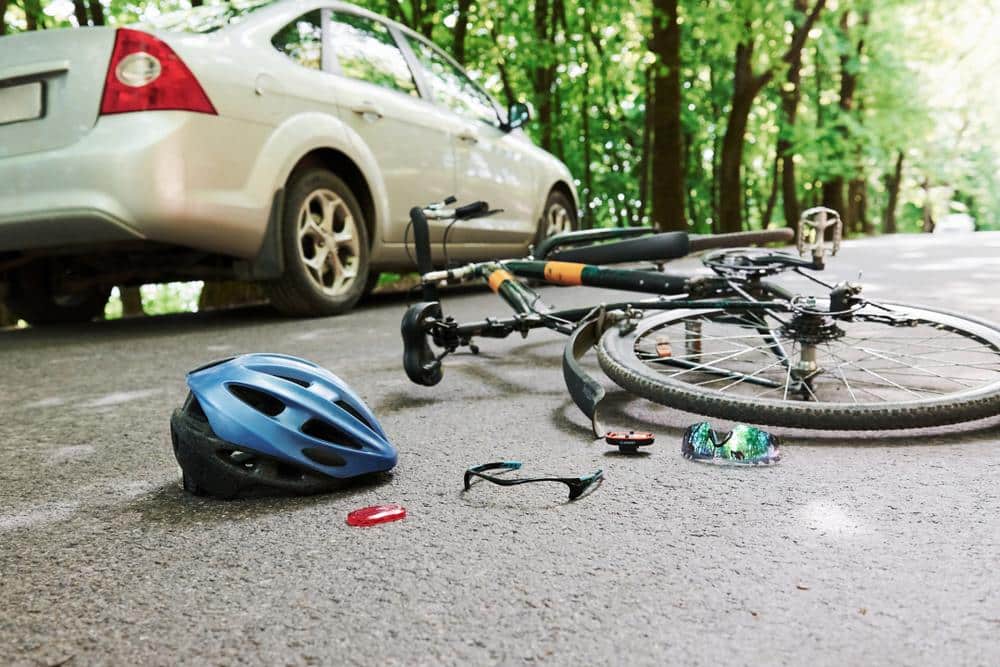
- Bicycle Accidents Statistics
- Common Types of Cycling Accidents in the Midwest That May Qualify For Compensation in a Personal Injury Claim
- How to Think About Legal Rights in Cycling Accidents
- When Does a Cycling Accident Require Legal Help?
- Types of Bicycle Accidents FAQs
- Injured in a Bike Accident? Contact Nicolet Law for Comprehensive Legal Support
The most common types of bicycle accidents involve riders and motorists crossing paths, such as dooring incidents, intersection collisions, and crashes caused by a driver’s failure to yield.
These scenarios frequently result in serious injuries, especially when negligent driving, poor visibility, or unsafe road conditions are involved. Knowing which accident types occur most often can help you recognize potential risks and make informed legal decisions after a crash.
The following insights from experienced Green Bay bicycle accident lawyers at Nicolet Law explain the causes, legal considerations, and essential steps cyclists can take to protect their rights and seek fair compensation.
Bicycle Accidents Statistics
Bicycle collisions are an unfortunate reality, and the numbers paint a stark picture of their frequency and impact. While cycling offers a healthy and eco-friendly mode of transportation, it’s not without its risks.
- Crash data within the United States reveal that over 1,150 bicyclists were killed in crashes with motor vehicles in 2023—the highest number ever recorded nationally, highlighting the magnitude of this issue. (Insurance Institute for Highway Safety (IIHS) Fatality Facts 2023)
- Annual statistics estimate that tens of thousands of bicyclists are injured nationwide each year, with many accidents involving motorists failing to yield or share the road safely. (National Highway Traffic Safety Administration (NHTSA) Bicycle Safety)
- Despite state laws, studies show that many drivers violate the three-foot passing rule designed to protect cyclists, contributing to dangerous road conditions. (National Safety Council Injury Facts on Bicycle Deaths)
- Intersections remain among the most hazardous places for cyclists, with research demonstrating a large proportion of bicycle crashes occurring where confusion about right-of-way often leads to collisions. (National Complete Streets Coalition – Bicycle Safety at Intersections)
- Wearing helmets significantly reduces the risk of head injury by approximately 60%, yet helmet usage remains inconsistent across the U.S., representing a critical safety gap. (Centers for Disease Control and Prevention (CDC): Bicycle Helmet Use)
These statistics illustrate the risks that cyclists face and underscore the importance of knowing your legal rights if involved in an accident.
Common Types of Cycling Accidents in the Midwest That May Qualify For Compensation in a Personal Injury Claim
Failure to Yield Accidents
One of the most common causes of bicycle accidents is motorists failing to yield to cyclists. Situations in which drivers ignore right-of-way regulations lead to crashes that could have been avoided if the rules of the road were properly recognized.
The scenarios where this type of negligence occurs often include:
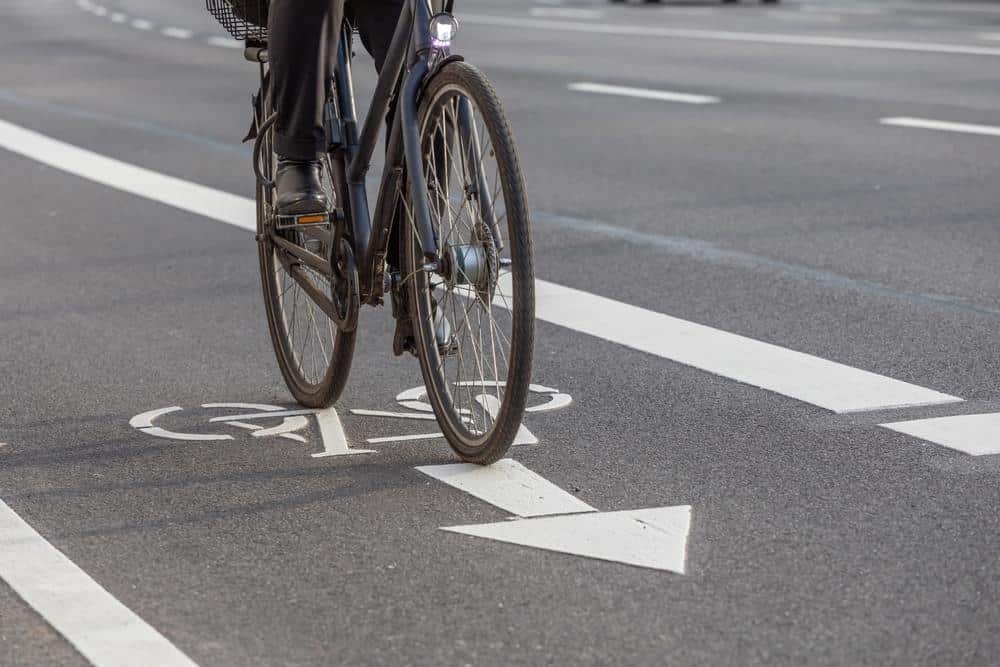
- Left turns across bike lanes: A motorist attempting a left turn may miscalculate a cyclist’s speed or fail to see them entirely.
- Vehicles pulling out of driveways or parking lots: Drivers in a hurry often forget to check for cyclists before entering the road.
- Failure to stop at crosswalks or intersections where cyclists are crossing: Cyclists legally in the crosswalk are overlooked, increasing collision risks.
Legally, these cases focus heavily on proving the driver’s negligence. Cyclists may protect their claims by documenting what happened, including taking photos of the scene or obtaining witness statements. A lawyer’s insights are often invaluable in handling insurance claims and legal disputes arising from such incidents.
Dooring Accidents
Dooring happens when someone in a parked car opens their door directly into the path of an oncoming bicycle. These incidents often occur in busy urban areas or streets where cyclists are riding close to a line of parked vehicles. Common causes include:
- Negligence in checking surroundings prior to opening a car door.
- Cyclists forced to ride too close to parked cars due to narrow roads or lack of effective bike lanes.
- Poor visibility caused by environmental factors like rain or darkness.
Dooring accidents can result in serious harm, ranging from broken bones to traumatic brain injuries, if a cyclist is thrown into traffic. Laws place responsibility on the person opening the car door to check for approaching cyclists. Legal claims in dooring accidents typically center on proving that this responsibility wasn’t met.
Intersection Collisions
Intersections are a frequent site of bicycle collisions, often due to misunderstandings or neglect around right-of-way rules. Accidents often occur as a result of:
- Red-light running: A driver may misjudge the traffic flow or deliberately run the light, leading to a collision.
- Right-turn conflicts: These happen when a car turns right across a cyclist’s path, particularly when the cyclist is traveling in a bike lane.
- Stopping in pedestrian-only zones: Miscommunication about safe zones can result in collisions involving walkers, cyclists, and cars.
Intersection collisions usually create complex questions about shared fault, which is why comparative negligence laws in jurisdictions like Wisconsin or Minnesota become essential to these claims.
Rear-End Accidents
Rear-end accidents often occur when a motorist fails to notice a cyclist ahead, particularly in low visibility conditions or at night. Situations contributing to rear-end crashes include:
- Drivers distracted by in-car activities like texting or adjusting their GPS.
- Failure to maintain safe distances from cyclists, particularly on busy roads.
Although rear-end accidents may seem straightforward in terms of fault, there are still nuances that require careful investigation. Cyclists injured in these accidents may rely on legal counsel to help establish distraction or negligence on the driver’s part.
Accidents Resulting From Hazardous Road Conditions
Road conditions play a significant role in bicycle safety. Hazards like potholes, debris, or improperly marked lanes can directly contribute to serious accidents.
Key concerns include:

- Lack of maintenance, leaving substantial potholes or cracks in bike lanes.
- Crashes caused by uneven transitions between road lanes.
- Debris or fallen branches left unaddressed, creating obstacles for cyclists.
Legal action involving poor road conditions often involves determining responsibility between local government entities or contractors responsible for road maintenance. Cyclists pursuing such claims may need to demonstrate that the hazard was known but not reasonably addressed by the responsible party.
Distracted Driving and Cyclist Visibility
Distracted driving is consistently one of the leading causes of all traffic incidents nationwide, and it remains a high-risk factor for cyclists. Motorists who focus on their phones, dashboards, or passengers often fail to register cyclists sharing the road. Cycling risks brought on by distracted driving include the following:
- Side-swiping cyclists when vehicles drift into bike lanes unintentionally.
- Collisions due to drivers ignoring stop signs or signals.
- Failing to spot cyclists in crosswalks or on roundabouts.
Distracted driving often isn’t apparent at first glance, so legal intervention may be necessary to access proof, such as vehicle data or witness testimonies.
How to Think About Legal Rights in Cycling Accidents
Determining Who Is Liable in a Bicycle Accident
Identifying who is legally responsible begins with analyzing the circumstances surrounding the crash. Key factors to consider include:
- The actions of motorists, cyclists, or even third parties, like municipalities responsible for road maintenance
- Eyewitness accounts and impartial police reports documenting the incident
- Footage from traffic or security cameras that capture critical moments
Understanding liability is central to any claim’s success. Clearly establishing fault supports your claim and can significantly impact the compensation you are entitled to recover.
How State Laws May Shape Your Bicycle Accident Claim
Bicycle accident laws can differ greatly from state to state, especially in North Dakota, Iowa, Minnesota, and Wisconsin. Here are some important differences to consider in these regions:
- Each state has its own rules for how cyclists and drivers must share the road.
- The statute of limitations for filing a bicycle accident claim varies. For example, Minnesota and Wisconsin set different time limits for legal action.
- Each state may have unique laws or defenses that can affect your ability to recover compensation or the amount you can claim.
Small differences in state rules can dramatically impact your case outcome, making it crucial to consult a lawyer who knows the local legal landscape in your area.
Understanding Comparative Negligence and Its Impact:
Comparative negligence laws determine how fault is divided and how it affects compensation. Consider these important details:
- The cyclist and driver may share responsibility for the accident
- In states like Wisconsin, your compensation may decrease based on your percentage of fault
- Judges and insurers rely on precise evidence to apportion fault accurately
A clear understanding of comparative negligence empowers cyclists to advocate for just compensation. Legal assistance can guide you through interpreting the rules and presenting your case effectively.
Why It’s Important to Partner With a Bicycle Accident Lawyer
A knowledgeable attorney can protect your rights in ways that include:
- Collecting and analyzing evidence to build a strong case
- Explaining your rights and the nuances of state-specific regulations
- Negotiating with insurers and advocating for a fair settlement
A dedicated lawyer doesn’t just navigate legal complexities—they become your advocate during a difficult time. Legal guidance lets you focus on recovery while your interests are vigorously represented.
When Does a Cycling Accident Require Legal Help?
Any bicycle accident can be overwhelming, and even seemingly minor crashes are an important sign that you may benefit from a lawyer’s support, especially if certain factors are present. Legal guidance becomes even more essential if you experience any of the following:

- You suffer serious injuries, such as broken bones, head trauma, or long-term complications, after a collision at an intersection or in a “dooring” accident.
- The driver responsible leaves the scene, refuses to provide insurance information, or disputes fault.
- You are facing mounting medical bills, lost income, or cannot return to work because of the accident.
- The insurance company denies your claim, delays payment, or offers a settlement that doesn’t address your true needs.
- The crash involves multiple parties, city vehicles, or hazardous road conditions.
- You were struck by a distracted, impaired, or uninsured driver.
- The accident occurred due to poorly maintained roads, obstructed bike lanes, or defective equipment.
- You feel pressured to accept blame or are accused of causing the accident, regardless of the facts.
Seeking legal help after a bike accident isn’t just about compensation—it’s about ensuring your story is heard and your rights are protected. An experienced attorney can help clarify complex laws, stand up to insurance tactics, and give you the best chance for a fair outcome when it matters most.
Types of Bicycle Accidents FAQs
What are my rights if I’m injured while riding an e-bike?
E-bike accidents often involve unique legal considerations like speed classifications and local regulations. Consulting a lawyer ensures you understand how these factors impact your claim.
Can I file a claim if poor road conditions caused my accident?
Hazardous road conditions can lead to serious injuries, and determining liability often involves local governments or contractors. Legal guidance helps navigate these complex claims.
What should I do if a rideshare or delivery driver hits me?
Accidents involving commercial drivers can complicate liability and insurance claims. A lawyer can help identify responsible parties and pursue fair compensation.
How does helmet use affect my bicycle accident claim?
While helmet use can reduce injuries, it may also influence how fault and damages are assessed. Legal professionals can clarify how this impacts your case.
What if I was partially at fault for the accident?
Comparative negligence laws vary by state and can affect your ability to recover compensation. A lawyer can help ensure fault is fairly apportioned and your rights are protected.
Injured in a Bike Accident? Contact Nicolet Law for Comprehensive Legal Support

Nicolet Law is dedicated to supporting injured cyclists through every stage of the recovery process. We know the unique challenges of bicycle accident claims and are ready to handle the legal details so you can focus on healing.
Don’t leave your future to chance. If you’re ready to discuss your options or have questions about your case, contact an experienced Green Bay personal injury lawyer from our Midwest personal injury law firm online or at 1-855-NICOLET for a free consultation.