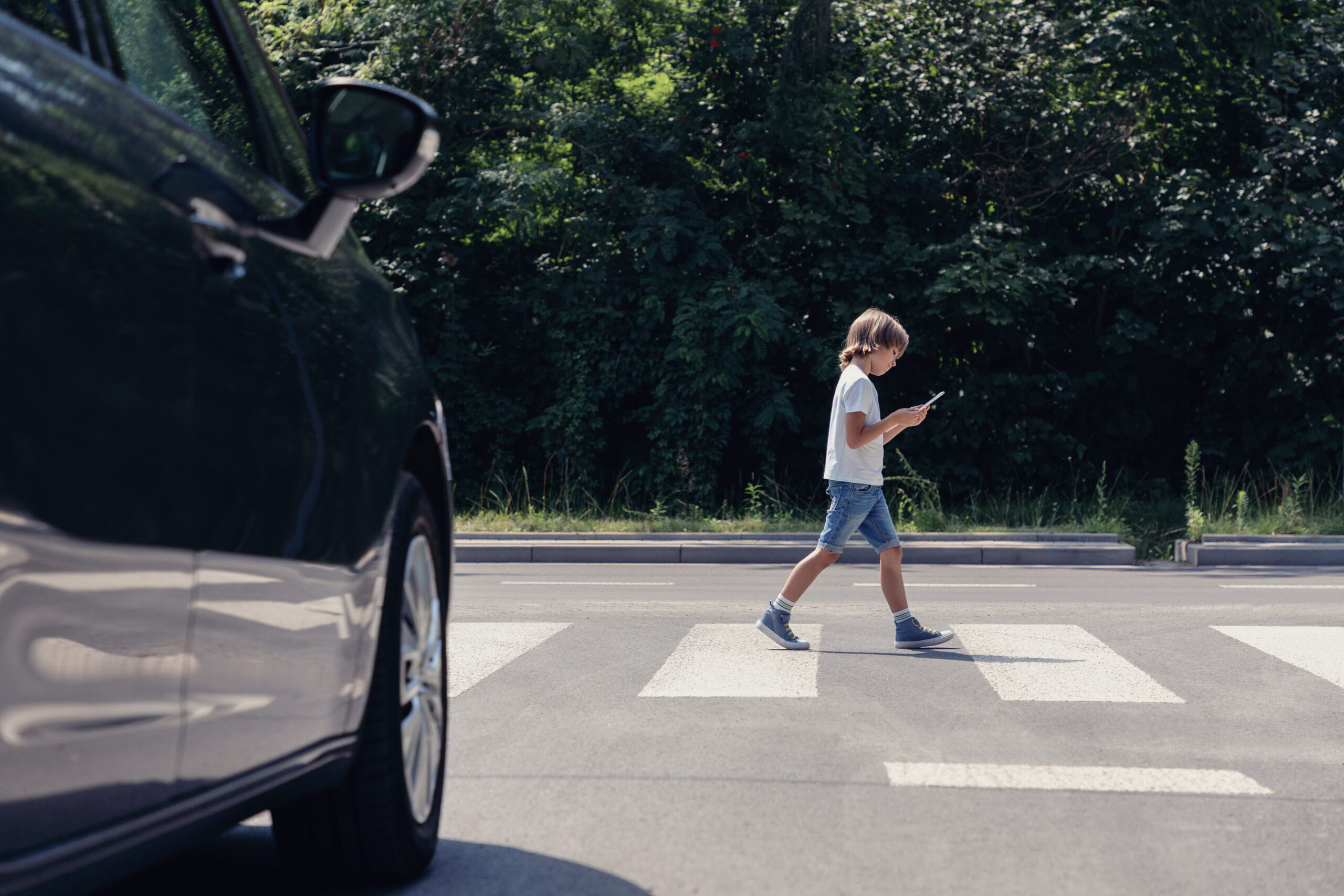
The most common causes of pedestrian accidents are driver-related actions: distracted driving, failure to yield the right-of-way in a crosswalk, and speeding.
However, factors like poor road design and low visibility also play a significant role.
Determining the exact cause is rarely simple. The driver's insurance company will conduct its own investigation, looking for any reason to argue you were at fault to reduce, or outright deny, what they have to pay. This process feels daunting, especially when you are trying to recover from your injuries.
Nicolet Law Accident & Injury Lawyers has experience handling complicated investigations to build strong cases for injured pedestrians. If you have questions about your pedestrian accident, call 1-855-NICOLET or message our pedestrian accident lawyers online for a free case evaluation. We are here to help you understand your legal rights and options for taking the next steps forward.
Key Takeaways About Why Legal Representation Matters When Someone Else’s Negligence Causes a Pedestrian Accident
- Driver behavior is a leading cause of pedestrian accidents. Actions such as distracted driving, speeding, and failing to yield at crosswalks are among the most common factors that put pedestrians at risk. A lawyer can investigate the driver's actions to build a strong liability case.
- Partial fault doesn't always bar recovery. States like Wisconsin, Minnesota, North Dakota, and Iowa follow a "modified comparative negligence" rule. This means you may still pursue compensation if your share of fault is below the legal threshold. A lawyer can assess how this rule applies to your case and advocate for fair compensation.
- Environmental conditions play a critical role. Poor lighting, missing sidewalks, and unsafe intersection designs often contribute to pedestrian accidents. A thorough investigation by your legal team examines these factors to identify all parties that may share responsibility.
- Evidence is key to proving your claim. Gathering witness statements, traffic camera footage, and accident reconstruction reports is essential to building a compelling case. A lawyer coordinates this process to ensure no critical details are overlooked.
- Legal representation may strengthen your position. From negotiating with insurance companies to presenting your case in court, a lawyer provides the expertise and strategy needed to navigate the complexities of pedestrian accident claims.
Statistics: A Look at the Rising Pedestrian Safety Crisis
The United States is facing a growing public safety problem when it comes to people walking along or crossing roadways.
Pedestrian fatalities recently reached a 40-year high, with 7,522 deaths nationwide, according to the National Highway Traffic Safety Administration (NHTSA). That number represents a 77% increase in pedestrian deaths since 2010, part of a decades-long upward trend that shows no sign of stopping.
Data from the Insurance Insitute of Highway Safety (IIHS) mirrors NHTSA statistics showing that deaths of people walking have surged by since their lowest point in 2009, and now make up 18% of all traffic-related fatalities in the U.S.
Wisconsin’s Local Reality
The trend is deeply felt here in Wisconsin. In Dane County, officials reported eight pedestrian deaths in a recent year, the highest number in five years. Statewide, a pedestrian is injured or killed in a traffic crash approximately every seven hours, based on data from the Wisconsin Department of Transportation (WisDOT).
What the Data Reveals
Patterns in the data make one thing clear: pedestrian crashes are rarely “accidents.” They follow consistent, identifiable risk factors:
- Time of day: Roughly 76% of pedestrian fatalities occur at night, when visibility is poor.
- Location: About 73% happen away from intersections, in areas without crosswalks or adequate lighting.
- Vehicle type: The growing size of vehicles is a major factor. Pedestrians struck by SUVs are significantly more likely to die than those hit by smaller passenger cars.
Taken together, these numbers paint a clear picture: America’s roads are becoming more dangerous for people on foot, and Wisconsin is not immune to that trend.
When Driver Decisions Lead to Accidents
Most pedestrian accidents trace back to a driver's failure to exercise reasonable care behind the wheel.
Distracted Driving: A Hazard That Goes Beyond Texting
When people think of distracted driving, they usually picture someone texting. While that is a major problem, a distraction is any activity that pulls a driver's focus away from the road.
This includes interacting with a vehicle's infotainment system, eating or drinking, speaking with passengers, or even personal grooming. Anything that takes a driver's eyes off the road, hands off the wheel, or mind off the task of driving qualifies as a distraction.
Failure to Yield the Right-of-Way: A Common Crosswalk Danger
One of the most frequent causes of pedestrian accidents is a driver's failure to yield. Right of way is the legal rule that determines who has the right to proceed first in a given situation.
In states like Wisconsin, the law is clear: drivers have a duty of care to yield to pedestrians in marked or unmarked crosswalks. Unfortunately, this rule is broken far too often in several common scenarios:
- Left-Hand Turns: A driver making a left turn may be so focused on finding a gap in oncoming traffic that they fail to see the pedestrian legally crossing the street they are turning onto.
- Blocked Views: Sometimes, one vehicle will stop correctly for a pedestrian, but a driver in an adjacent lane fails to stop, often because their view of the crosswalk was blocked by the stopped car.
- Misjudgment: A driver might see a pedestrian but misjudge their speed or distance, believing they have enough time to get through the intersection before the person crosses.
Speeding and Aggressive Driving
The speed of a vehicle is directly linked to the severity of an injury. The difference of just 10 miles per hour can be the difference between a broken bone and a life-altering or fatal injury.
"Speeding" doesn't just mean exceeding the posted limit. It also means driving too fast for the current weather or road conditions. A reasonable driver slows down in the rain or when visibility is poor. Aggressive driving behaviors, such as tailgating, making unsafe lane changes, or running red lights, also create a highly dangerous environment for everyone on the road, but especially for vulnerable pedestrians.
Driving Under the Influence of Alcohol or Drugs
Driving while impaired by alcohol or drugs dramatically slows a driver's reaction time, impairs their judgment, and reduces their coordination. It makes it much harder to track moving objects, like a person walking across the street.
When a driver who caused an accident is charged with a DUI, that criminal case is separate from your civil injury claim. However, the evidence from the criminal case, such as a failed breathalyzer test, can be proof of the driver's negligence in your claim for compensation.
How the Environment and Infrastructure Contribute to Collisions
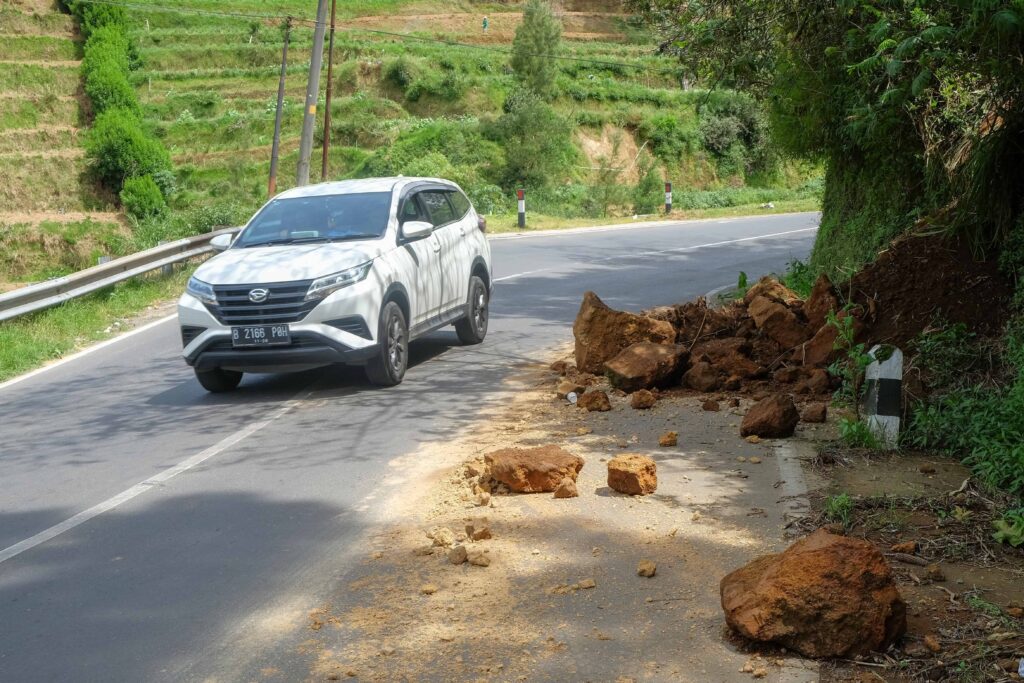
While a driver's actions are the primary cause, the environment in which an accident occurs plays a large part. A poorly lit street or a badly designed intersection can set the stage for a tragedy.
Poor Visibility: When Drivers Say, "I Didn't See You"
A common statement from drivers after hitting a pedestrian is, "I just didn't see them." Several factors reduce a driver's ability to see a person on foot.
As the statistics show, nighttime conditions are particularly dangerous, which is why poor street lighting is such a common factor. Other conditions include bad weather like rain, fog, or snow, and even the sun's glare during sunrise or sunset.
This is not an excuse for the driver. The law holds drivers to a "reasonable person" standard. This means a reasonable person would slow down and exercise more caution when their visibility is limited.
Unsafe Road Design and Missing Infrastructure
Sometimes, the very design of the road is a major contributor to an accident. Some roadways that lack sidewalks may be 1.67 times more likely to have pedestrian crashes. Other examples of dangerous design include:
- Mid-block crossings that have no marked crosswalk or signal.
- Intersections with very long crossing distances, which expose pedestrians to traffic for longer periods.
- Poorly maintained sidewalks or crosswalks with faded paint or cracked pavement.
- Construction zones that fail to provide a safe, alternative route for pedestrians, which is a requirement under federal regulations.
In cases involving unsafe road design, it is possible that a government entity could bear some responsibility for the accident.
Parking Lot Hazards
Parking lots, while not always specifically governed by their own traffic laws, require drivers to exercise extra caution and awareness. They present distinct dangers, often due to distracted drivers searching for open spots and failing to notice pedestrians. Accidents commonly occur when drivers cut across empty lanes instead of using designated travel lanes or back out of spaces without carefully checking their surroundings.
What if You Were Partially at Fault? Understanding Comparative Negligence
It's Not All-or-Nothing: The Rule of Comparative Negligence
Comparative negligence is a legal rule that allows the fault in an accident to be shared among the people involved. It simply means that you may still be awarded compensation for your injuries even if you are found to be partially responsible.
Think of it like a pie chart. A court assigns a percentage of the pie—the blame—to each person. Your total compensation is then reduced by your percentage of fault.
How This Rule Works in Wisconsin, Minnesota, North Dakota, and Iowa
All four states where Nicolet Law has offices (Wisconsin, Minnesota, North Dakota, and Iowa) use a form of this rule, which is officially called "modified comparative negligence."
The specifics vary slightly by state, but the core principle is the same. If your level of fault passes a certain threshold, you are barred from receiving any compensation.
- In Wisconsin, Iowa, and Minnesota, you recover damages as long as your fault is not greater than the fault of the other party (50% or less).
- In North Dakota, you recover as long as your fault is not as great as the fault of the other party (49% or less).
The bottom line is this: do not assume you have no case just because you think you might have made a mistake. The law in these states is designed to allow for shared responsibility.
What Will the Insurance Company Look For?
The at-fault driver's insurance company is a business, which means it has a bottom line to look out for, even in times where valid claims could require a significant settlement. As part of this, they will conduct a thorough investigation to look for any evidence to argue you were at fault in an effort to reduce or deny payment.
They might review whether you were crossing against a traffic signal, crossing mid-block outside a crosswalk (sometimes called "jaywalking"), distracted by your phone, or wearing dark clothing at night. Our role is to conduct our own, even more thorough investigation to protect your rights and ensure that no amount of blame is unfairly placed on you.
How Nicolet Law Build Strong Cases For Pedestrian Accident Survivors in Wisconsin, Iowa, North Dakota, and Minnesota

After an accident, evidence disappears quickly. Witnesses move, surveillance video gets erased, and physical evidence at the scene is cleared away. Our team acts promptly to preserve all the information needed to build the strongest possible case for you, taking on the legal challenges of:
- Securing the official police report and reviewing it for any inaccuracies or omissions.
- Interviewing witnesses while their memories of the event are still fresh and clear.
- Canvassing the area for surveillance cameras from nearby businesses or homes that may have captured the accident.
- Obtaining the driver's cell phone records (with a court-ordered subpoena) if we have reason to suspect they were texting or otherwise distracted.
- Working with accident reconstruction professionals to analyze the physical evidence and determine key factors like vehicle speed and braking distance.
- Documenting your injuries thoroughly and working with medical professionals to understand the full, long-term impact on your life.
Delayed injuries or seemingly minor accidents shouldn't stop you from seeking legal guidance as soon as possible. What may not affect you now could become a mountain of legal and financial trouble down the road.
Early legal intervention from Nicolet Law Accident & Injury Lawyers can start the process as soon as possible, protecting your right to seek compensation after someone else's negligent actions caused you harm in a pedestrian accident.
Frequently Asked Questions About Pedestrian Accidents
What if the driver who hit me was in a company vehicle?
This could mean that the driver's employer shares liability for the accident. We investigate whether the driver was on the clock at the time of the collision and if the company has a history of unsafe practices or inadequate driver training. A skilled lawyer can help take on the additional liable and legal parties involved to pursue additional sources of compensation through the company’s insurers.
I was hit in a marked crosswalk. Is it an automatic win?
While drivers have a very clear legal duty to yield in a crosswalk, it is not an automatic win. The insurance company may still look for ways to assign partial fault to you, such as arguing you "darted out" into the street. Having strong evidence to counter these arguments is still necessary to secure fair compensation.
What if the driver left the scene (a hit-and-run)?
This is a tragic and unfortunately common situation, occurring in about one out of every five fatal pedestrian accidents. You may still be able to recover compensation through your own auto insurance policy's mandatory or optional add-on uninsured motorist (UM) coverage. This coverage applies even though you were not in your car at the time of the incident.
Hurt in a Midwest Pedestrian Accident? Contact Nicolet Law For a Free Case Evaluation Exploring Your Legal Rights and Options
A pedestrian accident is never just a “case” on paper. It is medical appointments, time away from work, sleepless nights, and daily activities that suddenly feel harder than they used to.
Nicolet Law Accident & Injury Lawyers takes the time to understand what happened to you, how your injuries are affecting your life, and what you need to move forward.
When you contact our personal injury law firm in Wisconsin, Iowa, Minnesota, and North Dakota, you are not handed off to a stranger or treated like a file number.
Our team listens to your story, answers your questions in plain language, and tailors a legal strategy around your specific injuries, goals, and concerns.
Were you hurt in a Midwest pedestrian accident? Reach out for a free, confidential case evaluation exploring your legal rights and options. Call 1-855-NICOLET or message our pedestrian accident attorneys online to take the next steps toward justice.