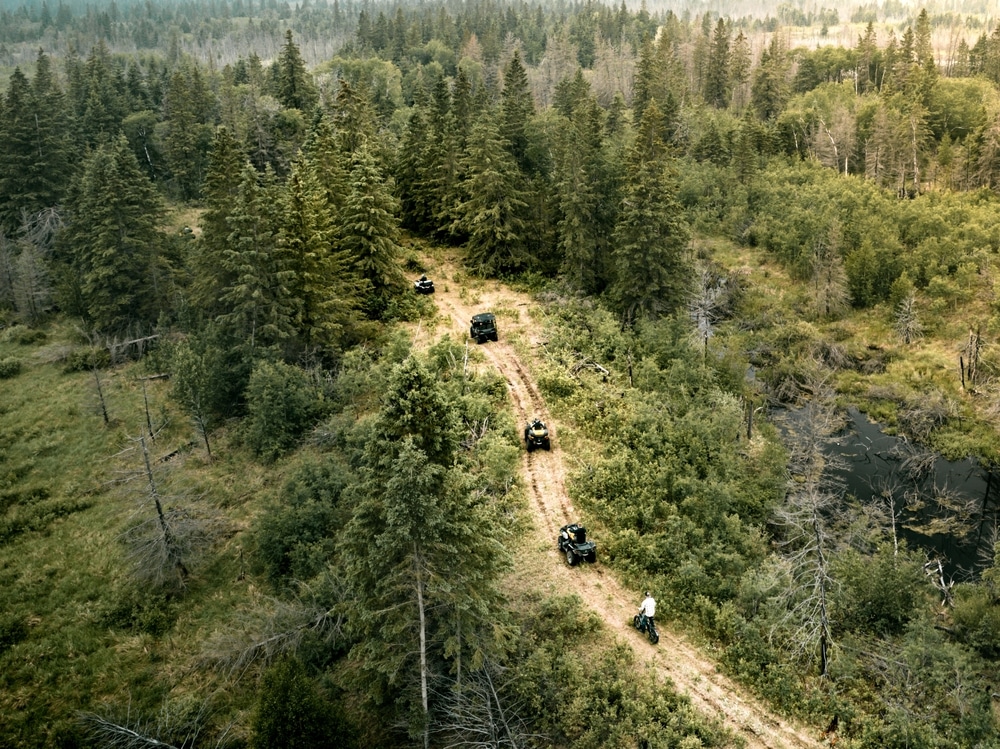
- Key Takeaways About Wisconsin ATV and UTV Laws and Injury Claims
- Key Statistics Related to Wisconsin ATV and UTV Accidents
- Understanding Wisconsin ATV and UTV Laws and How They Shape a Claim
- ATV and UTV Accident Hotspots Across Wisconsin
- Common Injuries in Wisconsin ATV and UTV Crashes and Their Legal Implications
- Common Legal Problems People Face With ATV and UTV Claims, and How a Lawyer Helps
- Key Laws and Filing Deadlines for ATV and UTV Claims in Wisconsin
- How Wisconsin ATV Laws Compare to Minnesota, North Dakota, and Iowa
- What Types of Compensation May Be Available in a Wisconsin ATV Accident Claim
- When Is It Time To Talk With a Lawyer After a Wisconsin ATV or UTV Accident?
- FAQs About Wisconsin ATV and UTV Laws and Accident Claims
- Injured in a Wisconsin ATV or UTV Crash? Here Is What Nicolet Law Can Do
Wisconsin ATV laws and UTV regulations govern nearly every aspect of an injury claim after an off-road crash. Nicolet Law Accident & Injury Lawyers represents injured riders across Wisconsin, Minnesota, North Dakota, and Iowa, helping them pursue fair treatment after serious off-road vehicle accidents.
Insurance carriers will examine those rules closely to determine how much responsibility each party carried. Understanding how the law, the insurance process, and the legal strategy connect can help you make informed decisions after a crash.
Injured? Get Nicolet.
Key Takeaways About Wisconsin ATV and UTV Laws and Injury Claims
- Wisconsin's modified comparative fault rule directly shapes your recovery: Under Wis. Stat. § 895.045, an injured person can pursue compensation only when their share of fault does not exceed 50 percent. Adjusters often work to push that percentage higher, and Nicolet Law attorneys can counter those efforts by building a fact-supported account of how the accident actually occurred.
- A firm filing deadline applies to most Wisconsin ATV accident claims: Wis. Stat. § 893.54 gives injured individuals three years from the date of the accident to file a personal injury lawsuit. Missing that window typically ends the claim permanently. Nicolet Law attorneys can track these deadlines from the first consultation and act early to preserve evidence before it is lost.
- Wisconsin sets specific operator requirements that become relevant to fault: Age restrictions, safety certification rules, OWI prohibitions, and limitations on road use establish a legal baseline for lawful operation. A violation of any of these Wisconsin ATV and UTV laws at the time of a crash can become a central element in determining who bears responsibility.
- Insurance coverage for off-road vehicle accidents may come from several sources at once: ATV-specific policies, homeowner's insurance, and personal auto insurance can each be relevant depending on where and how the accident happened. Identifying overlapping policies, resolving coverage gaps, and managing competing insurer interests is a core part of what Nicolet Law lawyers do in these cases.
Key Statistics Related to Wisconsin ATV and UTV Accidents
Off-road vehicle use is widespread across Wisconsin's trails, rural roads, and private properties. Unfortunately, recreational and work-related rides frequently result in serious harm. Data from the Wisconsin Department of Natural Resources and the U.S. Consumer Product Safety Commission (CPSC) highlights the scope of this issue.
- Wisconsin Impact: The Wisconsin DNR recorded 40 ATV and UTV fatalities and 316 injuries in a recent reporting year. These numbers represent real families dealing with the burden of loss, extended medical care, and significant financial pressure.
- National Trends: The CPSC consistently tracks tens of thousands of emergency room-treated injuries annually across the U.S. These incidents can frequently involve severe trauma, ranging from fractures and lacerations to permanent spinal cord damage and traumatic brain injuries.
- Rollover Hazards: Data identifies rollovers as a frequent cause of serious injury or death across all off-road vehicle types. Whether driving an ATV, a UTV, or a side-by-side, the risk remains prevalent—particularly during sharp turns or when navigating uneven terrain.
- Speed and Alcohol: Excessive speed and alcohol use are among the most frequently cited contributing factors in crashes. It is critical to note that Wisconsin’s OWI laws apply to off-road vehicles under the same standards as passenger cars, though the way punishment is administered often differs. Consequently, alcohol-involved crashes trigger both criminal consequences and complex civil liability issues.
In any personal injury claim, these factors, speed, alcohol, and mechanical risks, carry direct legal significance in determining fault. If a crash on a Wisconsin trail or rural road has left you or a family member seriously injured, understanding how these variables influence your legal options is the first step toward securing the compensation you deserve.
Understanding Wisconsin ATV and UTV Laws and How They Shape a Claim
Wisconsin law governs who may operate an ATV or UTV, where they may operate it, and what standards apply while doing so. When a crash happens and evidence is gathered, the story that evidence tells will be measured against these rules to determine who violated set standards.
Age and safety certification requirements: Anyone born on or after January 1, 1988, who is at least 12 years old for ATV use, or 16 for UTV use, must complete a state-approved safety certification course before riding on public trails. Operators who neglect this requirement and later cause a crash may face questions about whether that omission reflects a pattern of carelessness.
Registration: All ATVs and UTVs operated in Wisconsin must be registered with the DNR, though specific exemptions can apply. Registration records help investigators identify vehicle owners after a crash and can surface ownership or permissive-use questions that affect who bears liability.
Helmet requirements: Operators and passengers under 18 are legally required to wear a DOT-approved helmet. While adult riders are not subject to the same statutory requirement, the choice not to wear a helmet can still be raised by an opposing insurer to argue that some injuries were worsened by the rider's own conduct.
Road use rules: Riding an ATV or UTV on a public road is generally prohibited in Wisconsin, with exceptions for designated ATV and UTV routes, agricultural purposes, and crossing at bridges or culverts. Whether a vehicle was lawfully on a given road at the time of a crash is often a contested issue in injury claims.
OWI prohibitions: Wisconsin law sets a blood alcohol concentration limit of 0.08 percent for ATV and UTV operators, matching the standard applied to passenger vehicles. An ATV OWI conviction can come with penalties similar to those of a standard drunk driving case, but ultimately, the two offenses are treated separately. An OWI on an ATV does not automatically bring the risk of license revocation.
Nicolet Law attorneys can review the facts of each case against this framework to identify where other parties may have violated Wisconsin ATV and UTV laws, and how those violations support the injured person's claim.
ATV and UTV Accident Hotspots Across Wisconsin
Wisconsin has one of the most extensive off-road trail networks in the Midwest, and several regions see a disproportionate share of serious accidents each year. Knowing the local context helps inform Nicolet Law attorneys as they identify the specific rules at play, what evidence is most important to gather, and which parties may share responsibility.
Northwoods: Vilas, Oneida, and Forest Counties
The Northwoods region is home to some of Wisconsin's most popular trail systems, including the Tuscobia State Trail and the extensive network running through the Chequamegon-Nicolet National Forest. Vilas County alone maintains hundreds of miles of designated ATV and UTV routes. The combination of high rider volume, mixed-use roads, and varying terrain conditions makes this region one of the most active for off-road vehicle crashes in the state.
Western Wisconsin: St. Croix, Polk, and Burnett Counties
Western Wisconsin sits close to Nicolet Law's founding office in Hudson and serves a large population of riders who use ATVs and UTVs for both recreation and agricultural work. The terrain includes rolling farmland, river corridors, and rural county roads where off-road vehicles and standard traffic share the same space. Crashes in this corridor often involve road-use disputes, since the boundary between a designated ATV route and a standard public road is not always clearly marked on the ground.
Central Wisconsin: Wood, Portage, and Waupaca Counties
The central region connects the state's major population centers and supports a large base of recreational riders. The corridor between Wausau and Stevens Point sees both trail riding and rural road use, and several of Nicolet Law’s Wisconsin locations serve clients in this area. Crashes here frequently involve interactions between off-road vehicles and farm equipment or commercial traffic on county highways.
Common Injuries in Wisconsin ATV and UTV Crashes and Their Legal Implications
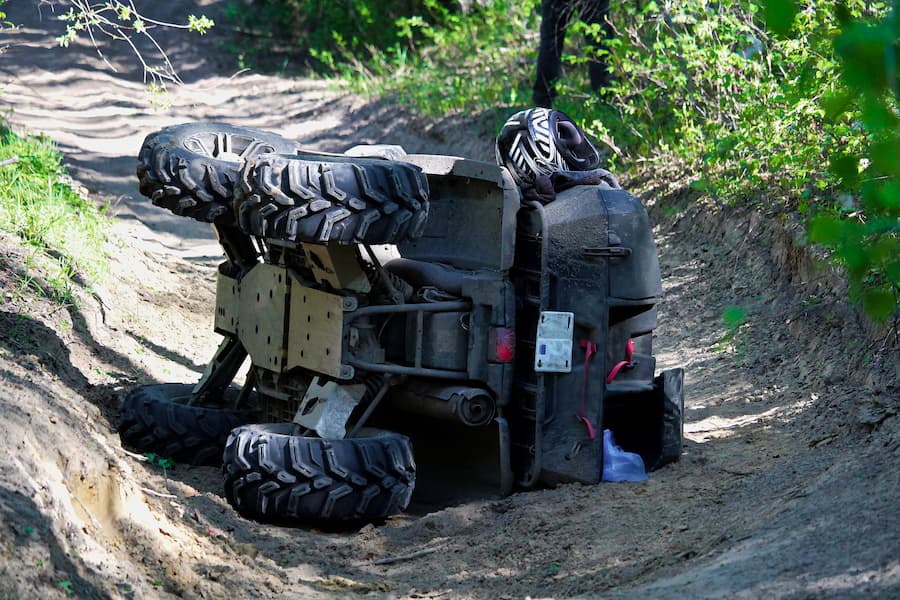
The type of injury sustained in a crash often shapes both the medical path forward and the legal strategy for pursuing a claim. Insurers approach each injury type differently, though often in a consistent effort to try to undervalue a claim. Understanding the full extent of someone’s injuries helps Nicolet Law attorneys anticipate the challenges of a case, including how an insurance adjuster may respond.
- Traumatic brain injuries (TBI): Head injuries are among the most serious outcomes of ATV and UTV crashes, particularly when a rider was not wearing a helmet. TBI cases typically involve significant future medical costs, cognitive and behavioral changes, and long-term impacts on earning capacity. Insurers frequently dispute the extent and permanence of TBI-related limitations, making independent medical analysis a critical part of the case.
- Spinal cord injuries: Rollovers and high-speed collisions can produce cervical and lumbar injuries ranging from herniated discs to partial or complete paralysis. Spinal cases often involve substantial future care costs and lost earning capacity that require careful documentation well beyond initial emergency records.
- Rollover crush injuries: ATVs are particularly prone to rollovers because of their higher center of gravity, but the risk remains prevalent for UTVs and side-by-sides. A rollover at even a minor speed can produce crush injuries, internal trauma, and facial injuries. These cases sometimes raise product liability questions, particularly when roll cage design or safety equipment failures contributed to the outcome.
- Fractures and orthopedic injuries: Broken bones are common in ATV and UTV crashes and are often more serious than they initially appear. Compound fractures, injuries requiring surgical hardware, and breaks affecting joints can produce lasting limitations that affect a person's ability to work and carry out daily activities.
Nicolet Law attorneys can work with medical professionals to document both current and future costs and counter insurers' arguments that attempt to minimize the long-term impact of serious injuries.
Common Legal Problems People Face With ATV and UTV Claims, and How a Lawyer Helps
Even when the facts of a crash seem straightforward, off-road vehicle injury claims regularly run into complications that are difficult to manage without legal support.
- Insurance company tactics: Adjusters representing an at-fault party, or sometimes your own insurer, may contact you early, extend a quick recovery offer, or ask for a recorded statement. Their goal is to protect their company's financial position. Early offers typically reflect what benefits the insurer, not what fully accounts for serious, ongoing injuries.
- Fault-shifting and comparative negligence arguments: Wisconsin's modified comparative fault rule gives adjusters a direct financial incentive to argue that you carried more fault than you did. They may point to your speed, your familiarity with the terrain, or your choice not to wear a helmet as grounds to reduce what they pay.
- Proof and documentation gaps: Evidence often disappears quickly after a crash. Vehicles get repaired, trail conditions change, and witnesses become difficult to locate. Without a prompt investigation, details that could have supported your claim may be lost.
- Medical and causation disputes: ATV and UTV crashes often produce injuries with long recovery timelines, including traumatic brain injuries, spinal injuries, and fractures. Insurers may dispute whether certain ongoing medical needs are truly connected to the crash or argue that pre-existing conditions are responsible for a portion of the harm.
- Coverage complexity: When an accident involves multiple parties, occurs on private property, or involves a vehicle without ATV-specific insurance, questions about which policy applies and how much coverage is actually available can significantly slow down the process.
Nicolet Law attorneys can step in to investigate the crash, gather and preserve evidence, work with medical professionals to document the full scope of injuries, and take over communication with insurance carriers. When insurers decline to deal fairly, Nicolet Law lawyers are prepared to take the case to court.
Key Laws and Filing Deadlines for ATV and UTV Claims in Wisconsin
Statute of limitations: Wis. Stat. § 893.54 gives injured individuals three years from the date of an accident to file a personal injury lawsuit. This applies to most ATV and UTV accident claims in Wisconsin. Three years can pass quickly when someone is focused on recovery, medical appointments, and financial pressure. Waiting too long can permanently close the opportunity to pursue a claim in court.
Comparative fault: Under Wis. Stat. § 895.045, Wisconsin applies a modified comparative negligence rule. An injured person may recover damages when their fault does not exceed 50 percent, though the award is reduced proportionally by their share of responsibility. At 51 percent or more of fault, recovery is barred entirely. This makes how fault is assigned one of the most consequential issues in any Wisconsin ATV accident claim.
Direct action statute: In certain circumstances, Wisconsin law allows an injured party to pursue a claim directly against an at-fault party's insurer, which can affect the strategy and structure of how a case proceeds.
Nicolet Law also serves clients in Minnesota, North Dakota, and Iowa, which have their own statutes of limitations, fault rules, and comparative fault thresholds. Minnesota follows a no-fault auto system with its own threshold rules, and North Dakota applies a 50 percent fault bar rather than Wisconsin's 51 percent. Each jurisdiction has its own nuances that Nicolet Law attorneys can analyze on a case-by-case basis.
Deadlines have limited exceptions which depend on the circumstances of the case, and the safest approach is to speak with a lawyer as soon as possible after a crash so no opportunity is missed.
How Wisconsin ATV Laws Compare to Minnesota, North Dakota, and Iowa
Nicolet Law also serves clients in Minnesota, North Dakota, and Iowa, where statutes of limitation, fault thresholds, and no-fault rules differ meaningfully from Wisconsin's framework. If your crash happened near a state line, or if you were visiting from another Nicolet state, those differences matter.
| State | Statute of Limitations | Comparative Fault Bar | No-Fault Auto System | OWI BAC Limit | Direct Action Statute |
|---|---|---|---|---|---|
| Wisconsin | 3 years (§ 893.54) | 51% (§ 895.045) | No | 0.08% | Yes |
| Minnesota | 6 years (§ 541.05) | 51% | Yes | 0.08% | No |
| North Dakota | 6 years | 50% | Yes | 0.08% | No |
| Iowa | 2 years | 51% | No | 0.08% | No |
Nicolet Law attorneys are familiar with the nuances in each state and can work through how the applicable rules shape each client's specific situation. What applies in Wisconsin does not automatically apply across the border, and early legal review can prevent costly assumptions.
What Types of Compensation May Be Available in a Wisconsin ATV Accident Claim
The costs of a serious ATV or UTV accident often extend well beyond the initial emergency room visit. The categories of compensation that may be available in a Wisconsin injury claim include:
- Medical expenses: Emergency care, surgeries, hospitalization, physical therapy, prescription costs, and future medical care that ongoing injuries are expected to require.
- Lost income and earning capacity: When an injury prevents someone from returning to their prior work, or limits their professional capacity going forward, those economic losses can be documented and pursued as part of a claim.
- Pain and suffering: Wisconsin law recognizes non-economic losses, including physical pain, emotional distress, and the broader effect of serious injuries on daily life, relationships, and activities.
- Property damage: The cost of repairing or replacing a damaged ATV or UTV may also be part of a claim.
Insurers often challenge or undervalue these categories, particularly future medical costs and non-economic losses. Non-economic losses in particular can be harder to quantify. Nicolet Law attorneys can work with medical professionals and other qualified sources to document these amounts and present them in a way that supports a full account of the impact the crash has had.
When Is It Time To Talk With a Lawyer After a Wisconsin ATV or UTV Accident?
Many people are unsure whether their situation warrants legal involvement. Some situations where a lawyer's involvement is particularly important can include:
- Injuries that require significant medical treatment, extended recovery, or that may affect your ability to work long-term.
- Disputes about who caused the crash, especially when the other party or their insurer is suggesting you were at fault.
- A denial of your claim or an insurance offer that arrives quickly and seems low relative to your actual costs.
- An accident involving alcohol use, excessive speed, or a vehicle operating on a road without legal authorization.
- A crash that occurred on private property, or that involved a vehicle without adequate insurance coverage.
Nicolet Law attorneys can provide clarity and direction, not pressure. An initial consultation is about helping you understand what happened legally, what your options are, and what realistic next steps might look like, so you can make an informed decision about how to move forward.
FAQs About Wisconsin ATV and UTV Laws and Accident Claims
How long do I have to file a claim after an ATV accident in Wisconsin?
Wis. Stat. § 893.54 generally gives injured individuals three years from the date of the accident to file a personal injury lawsuit. Missing this deadline typically eliminates the ability to pursue compensation through the courts. Nicolet Law attorneys can track these timelines carefully and advise clients on any exceptions that may apply to their specific situations.
Can I still recover compensation if I was partly at fault for the ATV accident?
In many cases, yes. Under Wisconsin's modified comparative fault rule (Wis. Stat. § 895.045), you may be able to recover if your share of fault does not exceed 50 percent, though your recovery would be reduced proportionally by your fault percentage. Nicolet Law lawyers can work to build an accurate account of what happened and push back when adjusters try to assign more blame than the evidence supports.
What if the at-fault operator did not have ATV or UTV insurance?
You may still have options. Depending on the terms of your own auto insurance policy, uninsured motorist coverage may apply even though you were not in a car at the time. However, most auto insurance policies will not cover ATV accidents. A Nicolet Law attorney can review the relevant policies and identify all potential sources of recovery.
Can a passenger file a claim against the driver of the ATV or UTV they were riding on?
Generally, yes. If the operator's conduct, such as driving while impaired, going too fast for conditions, or riding on a prohibited road, contributed to the crash, a passenger who was injured as a result may be able to pursue a claim against that operator. Nicolet Law attorneys can evaluate the specific facts and explain how Wisconsin law applies.
Does it matter whether the accident happened on private property?
It can, in several ways. Property owners in Wisconsin have a duty to maintain their land in a reasonably safe condition for visitors in many circumstances, though the applicable rules depend on the nature of the visit and the specific conditions at the time. A Nicolet Law attorney can help assess whether a property owner's conduct contributed to the crash.
My crash happened near the Minnesota border. Which state's laws apply?
That depends on where the accident occurred and the specific facts involved. Both states’ insurance laws may be relevant if vehicles were registered in different states.
Injured in a Wisconsin ATV or UTV Crash? Here Is What Nicolet Law Can Do

An ATV or UTV accident can leave an injured person managing serious medical costs, lost income, and a legal process that moves quickly in ways that favor the other side. Insurance carriers, including your own, are experienced at evaluating these claims in ways that protect their own financial position. Without legal support, it is easy to accept an early offer that does not reflect the full cost of serious injuries, or to miss a deadline that closes the door on a claim entirely.
Nicolet Law Accident & Injury Lawyers has built a strong track record representing injured riders across Wisconsin, Minnesota, North Dakota, and Iowa. Our team investigates crashes, analyzes how Wisconsin ATV and UTV laws apply to each case, takes over communication with insurance carriers, and prepares every claim as if it could go to trial.
If you or someone you care about was seriously injured in an ATV or UTV accident, contact Nicolet Law for a free case evaluation. You do not pay attorney's fees unless we recover money for you. Call 1-855-NICOLET or reach us online to schedule your free consultation.