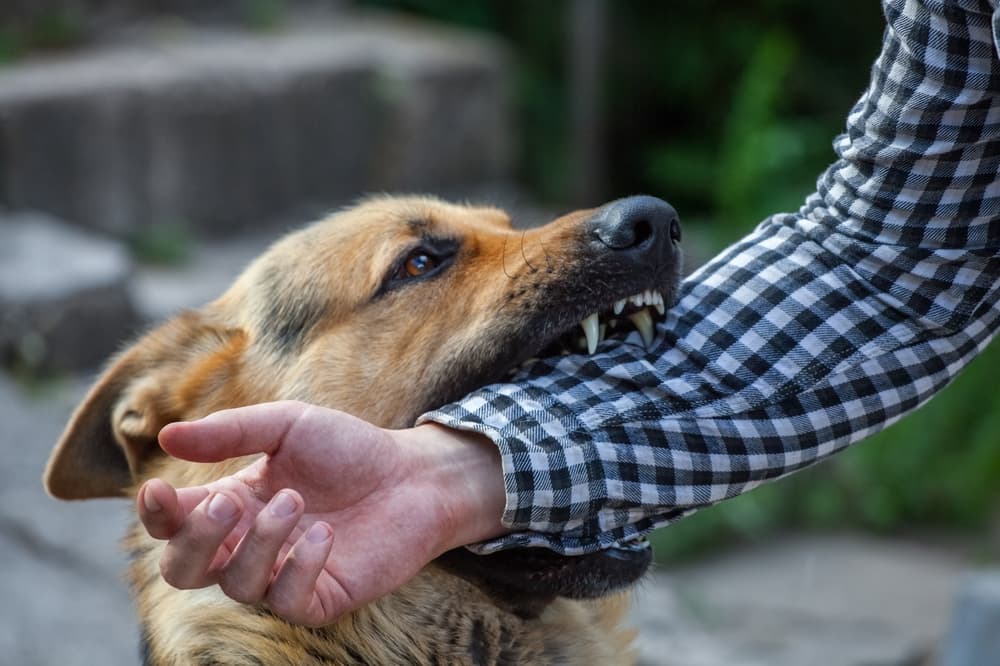
- Why Do Dogs Bite People They Know?
- Why Dog Bites Can Be So Vicious
- Seek Medical Attention
- Talk to a Dog Bite Lawyer About Your Options
- What Insurance Policy Covers Dog Bites?
- Are There Other Insurance Policies That Might Help?
- Reporting A Dog Bite And What Comes After
- The Quarantine
- How Does Each State Handle Dog Bites?
- Bitten By A Friendâs Dog? Reach Out To A Dog Bite Attorney Today!
Many imagine a stray dog, agitated and scared, lunging at someone who may have posed no real threat.
While stray dog attacks do happen, it’s more common to be bitten by a dog owned by a friend or family member. The familiar dog may still lunge, but the bite victim likely felt comfortable enough to get close to them to begin with.
At Nicolet Law Accident & Injury Attorneys, we know that getting bitten by a friend’s or loved one’s pet is a scary experience. In this blog we’ll go over the next steps you can take following a dog bite, as well as acknowledge the difficult social dynamics that come with it. Pursuing legal action can be challenging. When it’s against someone close to you, it can be all the more stressful. That’s why we are here to help.
Why Do Dogs Bite People They Know?
While some may have a hunch as to why they were bitten, plenty more are left in disbelief. Here’s a quick look at why the dog that you pet last week may have turned into the dog that left you in need of stitches and an icepack now:
- The dog was in pain and/or discomfort
- The dog was dealing with medication side effects
- The dog was being protective of their resources
- The dog was suffering from PTSD
- The dog was overstimulated by sudden sensory changes
- The dog was experiencing cognitive decline
Pain and discomfort
If a dog is in pain, they may not want to interact with others, and if interaction is forced on them, they may bite in response. Some people may be unlucky enough to touch a tender spot without realizing it, prompting an even more aggressive response from the dog.
Medication side effects
Medication intended to treat health issues may prompt a change in a dog’s behavior, such as increasing aggressive tendencies.
Protective of their resources
There are plenty of heartwarming dog stories that start with “That’s his favorite toy.” However, you may be unaware that you are grabbing something sentimental to a dog, leading to a territorial and aggressive response.
PTSD
Not all dogs have a pleasant backstory. Their mistreatment may be long in the past, but the effects of trauma can be ongoing or simply dormant. Issues may resurface and lead to a bite.
Sudden sensory changes
A loud bang can be a recipe for disaster. When dogs go into panic mode, they may lash out and bite.
Cognitive decline
Some dogs lose their cognitive abilities long before their physical strength fades. A dog you’ve known for years may suddenly see you as a stranger and try to defend itself.
Why Dog Bites Can Be So Vicious
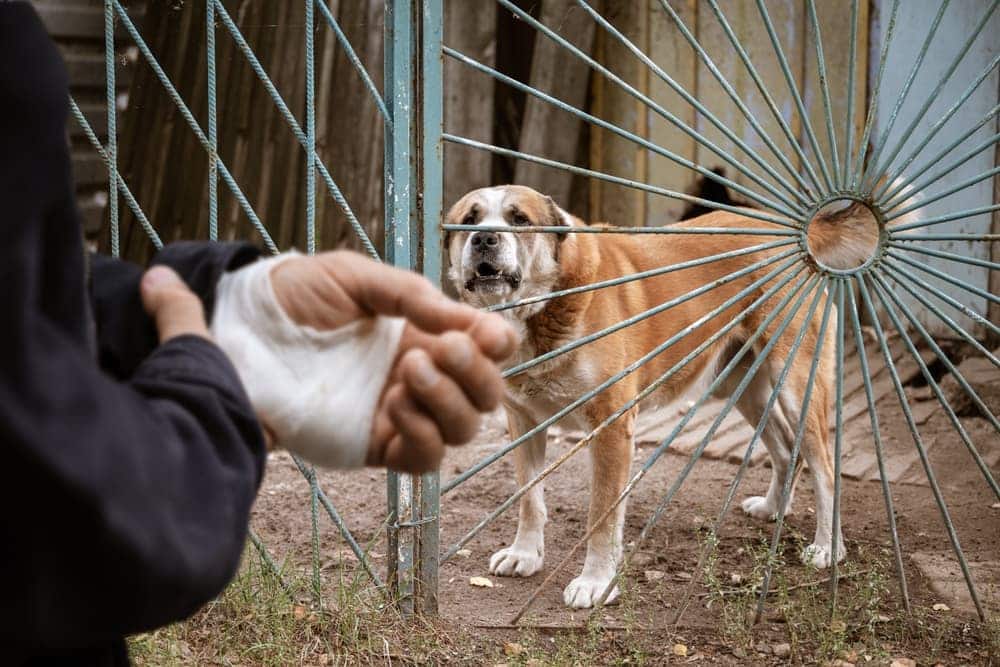
Dog bite injuries can vary because a bite is often a compound action. The teeth puncture, the jaw crushes, and neck and body movements add a tearing force. Bite injuries, regardless of species, often carry a high risk of infection due to the sheer number of bacteria that mouths contain. Dog mouths are no exception–especially for dogs that spend time outdoors.
Beyond physical injuries, the shock of being bitten by a friend’s dog can leave emotional scars. You may deal with anxiety, depression, or even PTSD as a result of the incident. If visiting your friend guarantees you’ll see their dog, spending time together could become a challenge.
Seek Medical Attention
If you have been bitten by a dog, it’s important to clean the wound as soon as you can. While some wounds may necessitate a visit to urgent care, in general, try to clean the bite area with soap and water. After drying the affected area, wrap it in a clean bandage. If you have access to an antibiotic cream such as Neosporin, apply it to the wound before applying the bandage.
Dressing a wound can provide a sense of relief, but don’t wait until pain or discomfort becomes unbearable. See a doctor as soon as you can.
Talk to a Dog Bite Lawyer About Your Options
After any injury, costs can add up quickly–medical bills, lost wages from needing time off work, as well as general ongoing pain. An experienced dog bite lawyer can walk you through what your recovery may look like and offer guidance on navigating the delicate social dynamics at play with your friend.
One of the key components and challenges in dog bite cases can be the back and forth communications with the respective insurance company. Negotiating with an insurance adjuster can be difficult enough as is, but even more so when it comes to questions about the dog’s breed and behavior. That is why having an experienced dog bite lawyer at your side can make a meaningful difference.
What Insurance Policy Covers Dog Bites?
When it comes to dog bite liability, the first stop your friend will likely make is their homeowners or renters' insurance policy. While their policy may help compensate you for your damages, breed restrictions may provide yet another challenge.
Some providers blacklist “high risk” breeds from their policy coverage or may make drastic revisions to pre-existing policies based on a dog’s recent behavior. It will ultimately depends on the insurance provider and the fine print they have established around dog bites.
Commonly blacklisted breeds include:
- Pitbulls
- Rottweilers
- Doberman Pinschers
- German Shepherds
- Alaskan Huskies
There is ongoing public debate about these blacklists–some point to the stigma that certain breeds carry, while others make an emphatic case for a fairer public image.
Cultural conversation aside, insurance companies can point to the simple fact that certain dog breeds have stronger bites than others. Even if your friend’s pit bull is the sweetest dog you’ve ever met, a minor bite from them has a greater chance of leaving a significant mark.
Are There Other Insurance Policies That Might Help?
Even if your friend’s homeowner’s or renter’s insurance does not provide coverage, there may be other options to explore.
- Umbrella insurance policy—This kind of coverage extends beyond standard policies, filling gaps they leave behind.
- Landlord or property owner’s insurance—If a property owner is aware of a dog and the risks it poses but fails to take reasonable safety measures (which can go as far as removing the dog), they can be held responsible for a dog bite.
- Auto insurance: It’s a lot easier for a bite to happen when close proximity is the nature of the environment. If the dog bit you in a car, the auto insurance policy may apply.
- Business insurance: Certain businesses may advertise themselves as dog friendly. If a dog bite occurs on their premises, it can be well worth it to investigate what kind of coverage the business has.
An experienced dog bite injury attorney can clarify which insurance policies may apply to your injury and what your next steps for recovery can look like.
Reporting A Dog Bite And What Comes After
At Nicolet Law, we know that reporting animal bites can be uncomfortable. You might be open to seeing a doctor about your injury, but involving the authorities may feel like crossing a line that your friendship can’t bounce back from. For the many first-time dog bite victims, there can be the common worry: “If I call the authorities, will they take my friend’s dog away?”
Reporting the dog bite is the first step in a process that revolves around precaution. By reporting the dog bite, you are not giving the green light for the dog to be punished. You can file a dog bite report and still treasure your friendship and love their dog. It’s important to note, that this precaution is more than a “just in case” step. Reporting the bite is also required by the law.
- Minnesota: If the dog bite is serious enough to warrant a 911 call, do so. For non-emergency incidents, dial 311. Dog bite reports are forwarded to Animal Care & Control.
- Wisconsin: Your city or county’s website can direct you to the appropriate means to report a bite. Local law enforcement may delegate your case to someone working in an appropriate department, such as an Animal Services Officer.
- Iowa: You can report the bite via phone or through an online form (check your city or county’s website for more information).
- North Dakota: Check your city or county’s website for more information. You may end up submitting an online report or giving a local authority a call.
The Quarantine
Quarantining a dog may sound intimidating, but depending on the circumstances, your friend may be able to have that quarantine take place in their own home. Regardless of whether the incident occurred in Minnesota, Wisconsin, Iowa, or North Dakota, two factors remain the same:
- The dog’s owner pays for any expenses incurred
- The quarantine will last ten days
Minnesota
If the dog is up to date on vaccines→ They may be quarantined at the owner’s home.
The dog is not up to date → The quarantine may occur at an animal shelter or other secure facility.
Wisconsin
The dog is up to date on vaccines → They may be quarantined at the owner’s home.
The dog is not up to date → They must be quarantined in a secure facility.
Added nuance: Regardless of location, veterinary exams will be performed on the first and last day of the quarantine, as well as one day in between.
Iowa
The vaccine status of the dog may influence their decision, but the location of the quarantine is up to local officials.
Important rule: Your friend may set up an appointment for their dog to be vaccinated, but it cannot happen before or during the quarantine. The dog’s reaction to the vaccine may be misinterpreted as rabies symptoms.
North Dakota
The quarantine location is up to the discretion of local authorities. Even if the dog is put into quarantine the same day as the bite, that is still counted as Day 0.
As stated before, this process is done out of an abundance of caution.
How Does Each State Handle Dog Bites?
Dog bites can be expensive and can raise questions about where liability falls.
Wisconsin
The dog owner is responsible for the bite even if the dog has never bitten anyone before. If the dog has bitten someone before, the owner may be liable for double damages, through Wisconsin’s “double bite law.”
Minnesota
Dog owners are responsible for the bite even if their dog has never bitten anyone before. However, if the bite victim was provoking the dog or trespassing, an exception may be granted.
Iowa
Iowa’s rules mirror Minnesota’s. Dog owners are liable for bites, but if provocation or trespassing are at play, that may limit their responsibility.
North Dakota
Rather than starting with strict liability, North Dakota analyzes negligence from the start. Was the dog’s owner aware of any issues? Did they take safety precautions for the sake of their dog and the people they may share company with?
Bitten By A Friend’s Dog? Reach Out To A Dog Bite Attorney Today!

At Nicolet Law, we know that what comes after a dog bite can be complicated, especially if the dog belongs to a friend or a loved one. Our experienced injury attorneys are ready to fight for justice while also recognizing that you may find yourself in an awkward position with someone who is close to you. By seeking out legal help, you are pursuing recovery for yourself, not to punish your friend and their pet.
At Nicolet Law, we offer free consultations and work on contingency. That means that you can meet with us, no-strings-attached, and tell us about your case. Working on contingency means that you don’t pay us unless we successfully recover compensation for you. Our phone lines are open 24/7, so don’t hesitate to reach out to us.
You can set up a free consultation by phone at 1-855-NICOLET or through our online contact form.