- ATV Accident Trends in the Midwest
- Where Do ATV Accidents Occur in the Midwest?
- Can Trail and Property Conditions in the Midwest Cause ATV Accidents?
- How Often Do Equipment Problems Cause ATV Accidents in the Midwest?
- Warnings, Instructions, and Recalls
- Who May Be Legally Responsible After a Midwest ATV or UTV Accident?
- ATV And UTV Accident Injury Claim FAQ
- When Should You Talk With an ATV Accident Lawyer in the Midwest?
ATV and UTV accidents in the Midwest often stem from a mix of rider choices, trail conditions, and equipment issues, and legal responsibility may fall on the operator, vehicle owner, landowner, event organizer, or manufacturer, depending on what went wrong.
In Iowa, Minnesota, North Dakota, and Wisconsin, liability usually turns on whether someone failed to act reasonably under the conditions and whether that failure directly contributed to the crash.
A free consultation with experienced ATV and UTV accident lawyers can provide additional context on how these legal insights may apply to a specific off-road accident in the Midwest.
Injured? Get Nicolet.
ATV Accident Trends in the Midwest
ATV and UTV crashes continue to cause serious injuries and deaths each year, even as more safety information becomes available. Recent national data from the U.S. Consumer Product Safety Commission in its off‑highway vehicle death and injury reports show hundreds of ATV‑related fatalities annually and hundreds of thousands of emergency‑department visits nationwide.
Wisconsin’s Department of Natural Resources publishes annual ATV/UTV crash summaries that highlight how fatal incidents still occur on trails, roads, and private property, often during everyday recreational riding. These reports reflect a mix of factors, including rollover events, roadway incidents, and crashes involving passengers.
Minnesota’s DNR tracks ATV registrations, certifications, and accident statistics, showing that as the total number of registered ATVs has grown over the last decade, the state continues to record dozens of injury crashes and multiple fatalities each year. In those same reports, thousands of younger riders complete safety certification, which can become relevant when questions arise about supervision, training, and how a particular ride was set up.
Medical researchers have also examined ATV injuries in more detail. One study published through the National Institutes of Health’s PubMed Central found that ATV crashes often lead to serious trauma, including head and extremity injuries, and that a large share of injured riders were children or teens.
Findings like these help illustrate why families and injured passengers may want to look closely at whether others’ decisions—about vehicles, routes, supervision, or safety practices—played a role in a specific crash.
Where Do ATV Accidents Occur in the Midwest?
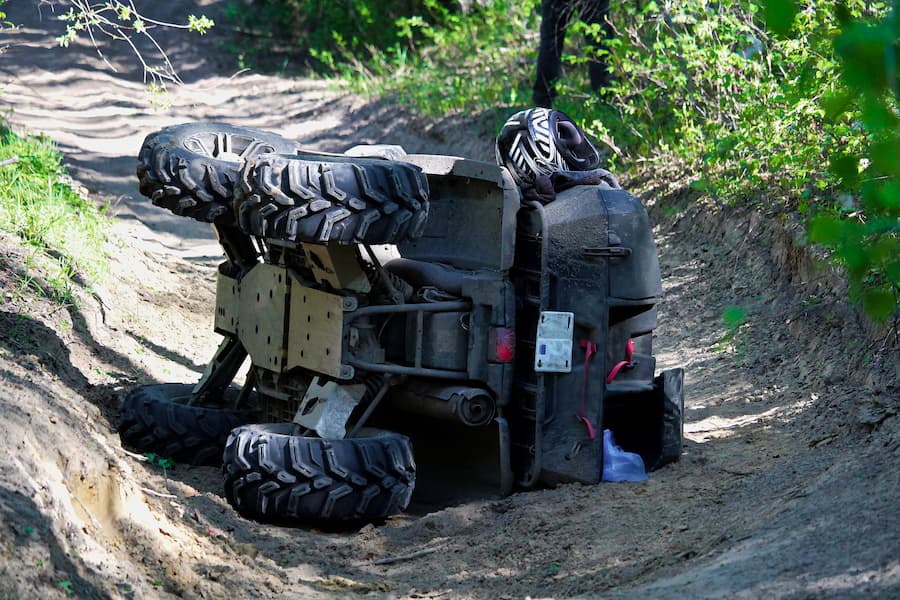
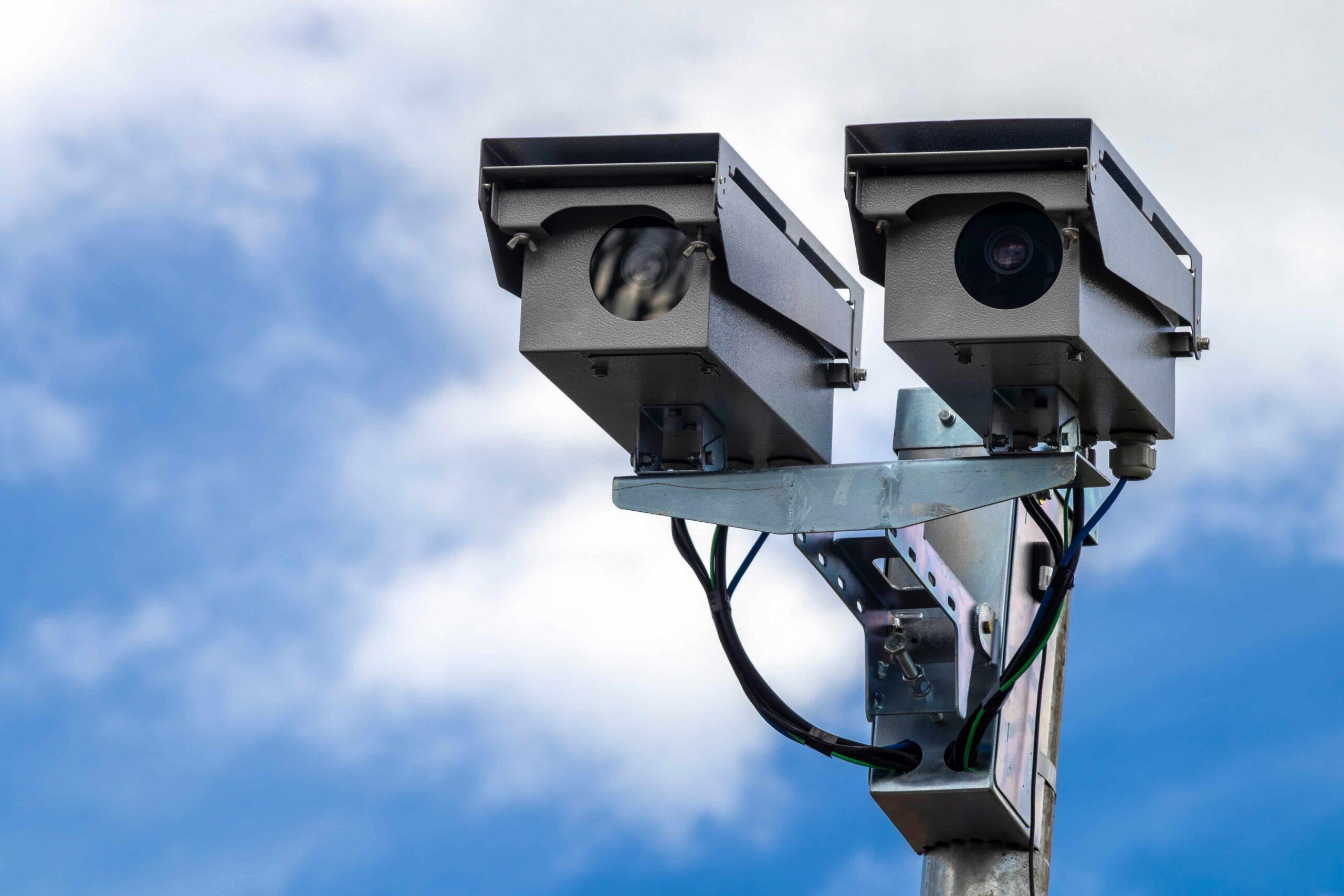
Speeding is one of the primary causes of deadly crashes in Minneapolis and across the country. Across Iowa, Minnesota, North Dakota, and Wisconsin, riders use ATVs and UTVs for work and recreation on farms, hunting land, cabin property, and public trails.
That blend of uses means crashes can happen:
- On public trails and road shoulders
- On private farms, hunting land, or wooded acreage
- Near cabins, lakes, and river access points
- During organized rides and off-road events
In many Midwest cases, the cause is not just “bad terrain.” There may have been a chain of decisions and conditions that point to negligent or reckless actions that created hazardous roadways. Those details are often the starting point for any legal analysis.
Can Trail and Property Conditions in the Midwest Cause ATV Accidents?
Trail and property conditions across Iowa, Minnesota, North Dakota, and Wisconsin can contribute to ATV crashes, especially when hazards are hidden or poorly marked.
Poorly Maintained Trails and Fields
On farms, hunting land, or recreational trails, potential issues include:
- Hidden holes, washouts, or deep ruts
- Unmarked drop-offs, embankments, or culverts
- Loose gravel or erosion on steep slopes
On private land or in designated riding areas, people sometimes ask whether:
- The owner or manager knew about specific hazards
- Reasonable maintenance or repairs were performed
- Simple measures like signage or barriers might have reduced risk
Not every rough patch of ground creates legal liability, especially in outdoor recreation states, but extremely unsafe or concealed conditions may raise more serious questions.
Obstacles and Debris on Midwest Properties
Collisions may also involve downed trees or branches left across a common trail; cables, fences, or chains stretched across a path; or old equipment, junk, or unprotected structures on the property.
If obstacles are placed or left where riders would not reasonably expect them, injured riders can explore whether a landowner, tenant, or event organizer should have taken additional precautions.
Weather, Seasonal Changes, and Off-Road Risk
Midwest weather can dramatically change trail conditions:
- Spring thaw can create soft spots and sinkholes
- Summer storms can wash out trails or drop branches
- Fall leaves can hide rocks, stumps, and holes
- Winter snow and ice can conceal hazards and reduce traction
Property owners, clubs, and event organizers in Iowa, Minnesota, North Dakota, and Wisconsin often know these seasonal patterns. When crashes occur, injured riders may consider whether the property was open, maintained, or signed in a way that reasonably accounted for predictable seasonal risks.
By focusing on how land and trails were managed—not just on the weather itself—people can better understand whether property conditions may play a role in legal responsibility.
How Often Do Equipment Problems Cause ATV Accidents in the Midwest?
Equipment issues do show up in ATV and UTV cases, especially when a relatively new or well-maintained machine fails unexpectedly.
Mechanical Failures and Defective Parts
Mechanical concerns can include:
- Brakes failing or becoming weak under normal use
- Throttle sticking or failing to respond correctly
- Steering or suspension components breaking during routine riding
- Tire or wheel failures that do not match the conditions
When a crash follows a sudden mechanical problem, people sometimes look at:
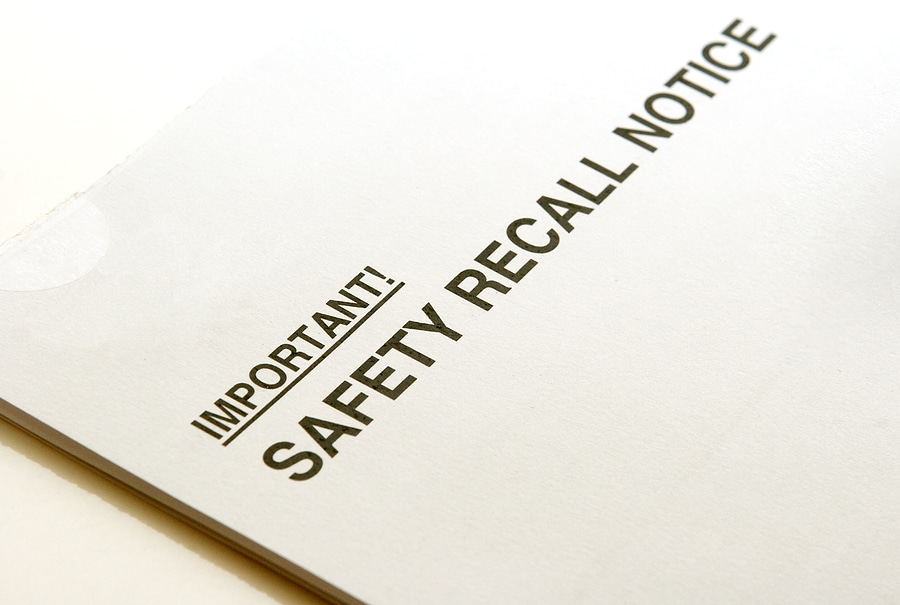
- Whether the machine had any recall notices or safety bulletins
- Whether similar models have had stability or defect reports
- Whether recent repair work may have contributed to the failure
In some situations, claims may focus on a possible design or manufacturing defect rather than on rider conduct alone.
Warnings, Instructions, and Recalls
ATVs and UTVs typically come with:
- Owner’s manuals and safety instructions
- Warning labels on the machine itself
- Age and passenger recommendations
If a rider or passenger is injured, they may later ask whether:
- Warnings were clear and visible
- Known risks were adequately disclosed
- Dealers shared important recall or safety information
When equipment problems, unclear warnings, and serious injuries intersect, manufacturer or dealer responsibility can become an important part of the conversation.
These equipment-related questions matter because they help determine whether a crash was purely an operator issue or whether a machine, part, or setup may also have played a role.
Who May Be Legally Responsible After a Midwest ATV or UTV Accident?
Legal responsibility after an ATV or UTV crash in Iowa, Minnesota, North Dakota, or Wisconsin often involves multiple parties. Understanding who may be involved can help injured riders and passengers think about their options.
The ATV or UTV Operator
The operator’s choices often receive close attention, especially if they:
- Rode too fast for the trail, conditions, or visibility
- Did not follow all safety rules or property guidelines
- Operated after drinking or using drugs
- Carried passengers or cargo in ways the machine was not built to handle
Even if the operator is a friend or family member, injured passengers may consider filing a claim when injuries are serious and insurance coverage is limited.
The ATV or UTV Owner
The owner may be someone other than the rider. Potential questions include whether the owner:
- Allowed an inexperienced or underage rider to operate the machine
- Knew about mechanical problems and failed to address them
- Skipped basic maintenance that a reasonable owner would perform
These issues can arise with personally owned machines, farm vehicles, or ATVs kept at cabins or hunting properties.
Property Owners and Land Managers in the Midwest
Property-related questions may involve:
- Owners of private farms, hunting land, or wooded acreage
- Operators of trail systems, off-road parks, or club trails
- Resorts or lodging providers that permit ATV use on their land
The focus is often on:
- Whether hazardous conditions were known and ignored
- Whether guests or riders received adequate warnings
- How the property was maintained and inspected over time
Each Midwest state has its own recreational use and landowner liability laws, so the exact rules depend on where the crash occurred and how the land was being used.
Tour Operators, Rental Businesses, and Event Organizers
When a crash happens during a guided ride, rental, or organized event, additional parties may be involved, such as:
- Tour companies offering guided trail rides
- Rental businesses providing machines to visitors
- Clubs or groups organizing large rides or charity events
Questions may include:
- What safety instructions and equipment were provided
- Whether riders were matched with appropriate machines
- How guides or organizers monitored conditions and rider behavior
Manufacturers, Distributors, and Repair Shops
If a machine malfunctioned or a part failed, attention may turn to:
- The manufacturer of the ATV, UTV, or key components
- Distributors and dealers in the supply chain
- Repair shops that worked on brakes, steering, or other critical systems
In some product-related cases, the focus is on whether the machine was unreasonably dangerous when used as intended or whether a repair was performed in a way that created additional risk.
Looking at these different roles helps build a more complete picture of who may share responsibility, rather than assuming that every ATV crash is solely the rider’s fault.
ATV And UTV Accident Injury Claim FAQ
How long do I have to file an ATV accident injury claim in Iowa, Minnesota, North Dakota, and Wisconsin?
In Iowa, most personal injury claims must be filed within about two years of the injury. In Minnesota and North Dakota, many personal injury claims may be subject to a 6-year limit. In Wisconsin, most personal injury lawsuits must be filed within about three years of the accident.
Because exceptions and special rules can change these timelines, a free case evaluation with an ATV accident lawyer can help confirm which deadline applies to a specific crash and what steps to take next.
If my ATV crash happened on or near a paved road, can someone other than the rider be legally responsible?
Yes, road‑related ATV and UTV crashes may involve multiple parties with potential responsibility.
A lawyer can review where and how the ride was set up, what information was shared with riders and passengers, and whether those decisions may support a claim for compensation against someone other than (or in addition to) the person operating the machine.
Do I have a case if alcohol was involved in an ATV accident?
Alcohol in the background of a cabin weekend, tailgate, or hunting trip does not automatically rule out an injury claim.
In some cases, the focus shifts to questions like who provided or encouraged alcohol during a riding‑related event, whether a host or owner allowed riding to continue after impairment was apparent, or whether minors were allowed to ride or operate without safeguards.
An ATV accident lawyer can look at the wider picture—including social and supervision choices—to help determine whether you, as a rider, passenger, or family member, may still have a path to pursue compensation despite alcohol being part of the story.
What if I was riding as a passenger or there were more people on the ATV than it was built for?
Passengers who are injured in an overloaded ATV or UTV may still have options to seek compensation.
Legal questions can include whether an owner routinely allowed extra riders despite knowing the machine’s limits, whether a rental business or guide encouraged multiple passengers or heavy loads, and whether anyone ever explained basic information about capacity and balance.
A lawyer can help identify whether those decisions, rather than anything the injured passenger did, may support a claim against an owner, rental company, or organizer.
I signed a waiver or rental agreement for an ATV—does that mean I have no case?
Not necessarily. Many ATV parks, rental businesses, and guided‑ride operators use waivers, but those documents do not automatically erase all rights.
In some situations, there may still be arguments that a company, landowner, or organizer failed to act reasonably—for example, by providing unsafe equipment, suggesting an inappropriate route, or failing to supervise younger or inexperienced riders in a basic way.
An ATV injury lawyer can review any waiver or agreement you signed, evaluate how your specific ride was planned and supervised, and explain whether those facts leave room to pursue a claim despite the paperwork.
When Should You Talk With an ATV Accident Lawyer in the Midwest?

After an ATV or UTV accident, questions often arise about whether what happened is ‘just part of riding’ or whether someone may be legally responsible. This is especially true when the crash happens on family property, a friend’s land, or a familiar trail.
Even experienced riders can find that ATV and UTV claims involve details about equipment, terrain, and responsibility that are not always obvious at first glance.
A legal review may be especially useful when injuries involve emergency treatment, surgery, ongoing rehabilitation, or time away from work.
It may also be useful when a child, passenger, or bystander is hurt, when a machine appears to have malfunctioned, or when the crash occurred on someone else’s land, a public trail, or during an organized ride.
ATV and UTV accident lawyers who work with riders in Iowa, Minnesota, North Dakota, and Wisconsin can review what happened, explain how state-specific laws may apply, and help identify possible sources of insurance coverage.
They can also answer questions about comparative fault, deadlines for bringing a claim, and the types of damages available in a particular situation.
If you or a family member were hurt in a Midwest ATV or UTV accident, a free case evaluation with Nicolet Law Accident & Injury Lawyers can offer a straightforward opportunity to ask questions, understand your options, and decide whether taking the next legal step feels right for you.